
Are Side Effects From Dental Implants Common? | Lakeview Dentists

Image of a concerned patient in a dental chair talking to a dentist about potential side effects from dental implants, with an x-ray of jaw with implants in the background. No text on image.

Dental implants are titanium posts placed in the jaw to replace missing tooth roots and support tooth crowns or dental bridges. Many patients ask about side effects from dental implants because the idea of surgery can sound risky. Most side effects are short-term and manageable with proper care, though a few rare complications deserve quick attention. This article explains common reactions, what’s serious, and when to call for help.

Common short-term side effects from dental implants

Pain and swelling

Mild to moderate pain and swelling are normal after dental implant placement. Discomfort usually peaks within the first 48–72 hours and improves daily. Over-the-counter pain relievers often work; your dentist may prescribe stronger medication if needed. Cold packs, soft foods, and rest help control swelling and pain during the first few days.

Bleeding and bruising

Light bleeding or oozing is common for the first 24 hours. Slight bruising of the gums or cheek can show up over the next few days. It typically stops with gentle pressure and proper aftercare. Heavy or prolonged bleeding that soaks through gauze after several hours is not normal and needs prompt attention.

Temporary numbness or tingling

Mild numbness or tingling near the surgical site can occur from local anesthesia or minor nerve irritation. This usually resolves within days to weeks. Persistent or increasing numbness, a “pins and needles” feeling that doesn’t improve, or loss of taste should be evaluated right away.

Less common but serious side effects from dental implants

Infection at the dental implant site

Infections can develop if bacteria enter the surgical area. Watch for worsening pain, swelling that spreads, fever, or pus draining from the site. Early treatment with antibiotics and cleaning can save the dental implant; delays raise the risk of loss.

Dental implant failure or lack of osseointegration

If the dental implant doesn’t properly fuse with bone (osseointegration), it may loosen or fail. Early signs include persistent mobility, increasing pain, or difficulty chewing. Causes include poor bone quality, smoking, or uncontrolled medical conditions. Early detection lets your dentist plan corrective care.

Nerve damage and sinus complications

Upper-jaw dental implants placed too close to the sinus can lead to sinusitis or discomfort; lower-jaw dental implants can, rarely, injure nerves. Symptoms of nerve injury include prolonged numbness, burning, or sharp shooting pain. Careful imaging and planning reduce these risks.

How long do side effects from dental implants usually last?

Expect peak pain and swelling in the first 72 hours, soft-tissue healing over 1–2 weeks, and several months for full bone integration. If pain, swelling, or other symptoms worsen after the first week or do not steadily improve, contact your dentist for evaluation.

Who is at higher risk for side effects?

Higher-risk factors include smoking, uncontrolled diabetes, poor oral hygiene, low bone volume, heavy teeth grinding (bruxism), and certain medications like bisphosphonates or long-term steroids. Discuss your full medical history with your dentist before treatment.

How to reduce your risk before and after dental implant surgery

Before surgery: complete medical review, stop smoking if possible, treat gum disease, and get 3D imaging and careful digital planning. After surgery: follow post-op instructions, keep the area clean, take medications as directed, eat soft foods, and attend follow-up visits.

How Lakeview Comprehensive Dentistry minimizes side effects

At Lakeview Comprehensive Dentistry we use a diagnostic-first approach with a 90-minute new-patient exam, ultra-low-dose 3D imaging, and digital treatment planning. Our on-site lab, strict sterilization, and sedation options help improve comfort and precision, lowering the chance of complications and improving predictable outcomes.

When to call your dentist

Call right away for severe uncontrolled pain, heavy bleeding, spreading facial swelling, fever, persistent numbness, or any pus or foul drainage. Early communication lets your team act quickly to protect health and your implant.

Schedule a Dental Implant Consultation Today

Most side effects from dental implants are temporary and manageable. If you’re considering implants or worried about symptoms after surgery, contact us to schedule a consultation or a comprehensive exam to review personalized risks and a clear treatment plan.

How Tooth Implant Works? The Full Process Explained

A step-by-step diagram of how a tooth implant works, showing the placement of the implant post, abutment, and final crown, with labels indicating each stage of the process. No text on the image.

This article explains in plain terms how tooth implant works, what to expect at each step, and who benefits most. You’ll get a simple walk-through from the first visit to the final tooth crown, plus notes on healing, risks, upkeep, and how newer digital tools speed treatment and improve fit.

What Is a Dental Implant?

A dental implant is a man-made root placed into the jaw to hold a replacement tooth. Unlike a denture or dental bridge that sits on top of gums or nearby teeth, a dental implant replaces the missing root and gives a stable base for a crown or prosthetic.

The Main Parts of a dental Implant

The dental implant post

The post is the part placed into bone. It’s usually titanium or zirconia. These materials bond well to bone and are strong and durable. The post acts like the tooth root to support chewing forces.

The abutment

The abutment connects the dental implant post to the visible tooth. It screws onto the post and forms the platform the crown attaches to. Abutments can be metal or ceramic.

The tooth crown or prosthetic

The tooth crown is the visible tooth replacement. Options include a single tooth crown for one tooth, a dental bridge attached to dental implants for several teeth, or a full-arch prosthetic for a whole mouth. Tooth crowns can be made for natural color and shape.

Step-by-Step: How Tooth Implant Works

1. Consultation and planning

You’ll have an exam, X-rays or 3D imaging, and a discussion of goals. The dentist checks bone, gums, and bite and makes a treatment plan. Digital scans and photos often guide exact dental implant position.

2. Dental implant placement

Placing the post is minor surgery done with local anesthesia and optional nitrous. The dentist places the post into bone and covers it. Expect mild swelling and soreness for a few days.

3. Osseointegration (healing)

Bone grows onto the post in a process called osseointegration. This creates a strong bond. Healing usually takes 3–6 months depending on health and bone quality.

4. Abutment and impressions (digital workflow)

After healing, the abutment is attached. The dentist takes digital scans or impressions to design the tooth crown. Digital workflows (intraoral scans) improve fit and speed lab communication.

5. Final tooth crown placement and bite adjustments

The tooth crown is fitted, bite is checked, and small adjustments are made. Some practices offer same-day crowns using on-site milling and CAD/CAM, so you may leave with a finished tooth.

Who Is a Good Candidate?

Good candidates have healthy gums, enough jawbone, and controlled medical conditions like diabetes. Smokers or people with severe bone loss may need extra steps such as bone grafting or periodontal treatment before dental implants.

Risks, Pain, and Aftercare

Common side effects include swelling, bruising, and mild pain. Risk of infection or dental implant failure is low with proper care. Follow instructions: soft diet, salt rinses, prescribed meds, and avoid smoking. Keep follow-up visits to monitor healing.

Longevity and Maintenance

Dental implants can last decades with good care. Plaque control, regular cleanings, and protecting teeth from grinding help protect the dental implant. The tooth crown may need replacement after many years but the dental implant post often remains stable long-term.

Benefits of Advanced Digital Care for Dental Implants

Precision planning and same-day prosthetics

Digital scans, CAD/CAM design, and an on-site lab allow precise planning and faster turnaround for tooth crowns or dental bridges. That means better fit and fewer visits.

Safety and comfort

Low-dose 3D imaging improves diagnosis while reducing radiation. Good infection control, clean water, and sedation options make the process safer and more comfortable.

Considering Dental Implants? Come to Our Facility!

If you’re thinking about dental implants, contact us to schedule a comprehensive exam that includes 3D imaging and intraoral photos to map your needs. Lakeview Comprehensive Dentistry offers extended new-patient exams, a fully digital on-site lab for same-day restorations, and clear financing options (CareCredit, Proceed, Cherry). Bring a list of questions and your medical history. Call or book online to get a personalized plan and next steps.

What Is the Dental Implants Step By Step Procedure?

An infographic showcasing the dental implants step by step procedure. Include the steps: (1) consultation, (2) implant placement, (3) healing, (4) abutment placement, and (5) crown attachment. No text.

If you want a clear walkthrough of what to expect, this guide explains the dental implants step by step procedure. You’ll learn what implants are, the typical timeline from planning to final crown, what happens during surgery, common extra procedures that can change timing, and how to care for your new implant as it heals.

What are dental implants?

Dental implants are small titanium posts placed into the jawbone to replace missing tooth roots. Once the bone fuses to the implant, it becomes a stable base for a crown, bridge, or denture. Patients choose implants for a natural look, better chewing, and to stop nearby teeth from shifting.

The dental implants step by step procedure

Most implant treatments follow a multi-stage path: exam and planning, surgical placement of the implant, a healing period while bone fuses (osseointegration), and a restorative phase to attach the abutment and final prosthetic. Total time varies from a few weeks (same-day options) to several months depending on bone health and extra procedures.

Pre-operative evaluation and planning

Comprehensive exam and medical history

A dentist reviews your mouth, gums, bite, and medical history to check conditions that affect healing (like diabetes or smoking). This step finds infections or gum disease that must be treated first and helps set realistic expectations for timing and outcomes.

Imaging and digital planning

2D x-rays, 3D scans, and intraoral digital impressions map bone volume and nerve locations. Virtual planning picks the best implant size and position and can create a surgical guide to place the implant precisely, reducing surprises during surgery.

Surgical placement — step by step

Any necessary extractions

If a damaged tooth needs removal, the dentist will extract it gently. Sometimes the implant is placed during the same visit; other times the site is allowed to heal before implant placement.

Placing the implant

A small incision in the gum exposes bone, the site is prepared with a series of drills, and the titanium implant is screwed into place. The gum is closed with sutures. Procedures are done with local anesthesia and optional nitrous for comfort.

Immediate vs. delayed placement

Some patients get a temporary crown the same day (immediate loading) when stability and bone allow. Others follow a healing-first approach where the implant sits undisturbed for weeks to months before restoring to ensure strong osseointegration.

Healing and osseointegration

Bone typically fuses to the implant over 3–6 months, sometimes faster or slower depending on health and grafting. Normal healing includes mild swelling and soreness that fades in days. Follow-up visits check integration and look for signs of infection or complications.

Restorative phase: abutment and final restoration

Once integrated, an abutment connects the implant to a crown, bridge, or denture. Impressions or digital scans capture the exact fit. With an on-site digital lab and CAD/CAM tech, some practices can deliver precise same-day final restorations; otherwise, a lab will craft the final piece for later placement.

Additional procedures that can alter the steps

Bone grafting, sinus lifts, or ridge augmentation add time and steps when bone volume is low. These procedures may require months of healing before implant placement. Your dentist will explain alternatives and timelines during planning.

Risks, recovery expectations, and aftercare

Common side effects are swelling, minor bleeding, and soreness for a few days. Call your dentist for severe pain, persistent bleeding, fever, or signs of infection. Pain control includes NSAIDs and short-term prescriptions if needed. Keep the site clean, avoid smoking, and attend follow-ups to ensure success.

Why choose Lakeview Comprehensive Dentistry for implants?

Lakeview Comprehensive Dentistry offers a 90-minute comprehensive exam with TMJ, periodontal, and ultra low-dose 2D/3D imaging plus intraoral photography to guide decisions. Their fully digital on-site lab (scanning, CAD/CAM, milling, and 3D printing) supports precise same-day final restorations. With sedation options, strict sterilization, and decades serving Lake County, Lakeview combines advanced tech and a relationship-first approach to deliver predictable implant outcomes.

Getting evaluated for dental implants

To get started, book a consult for the 90-minute comprehensive exam. Expect imaging, a review of your medical history, and a clear treatment plan with timing and financing options like CareCredit and Proceed Finance. If implants are right for you, the team will explain each step and schedule care that fits your needs.

Do Dental Implants Require Screw Dental? Find Out Here.

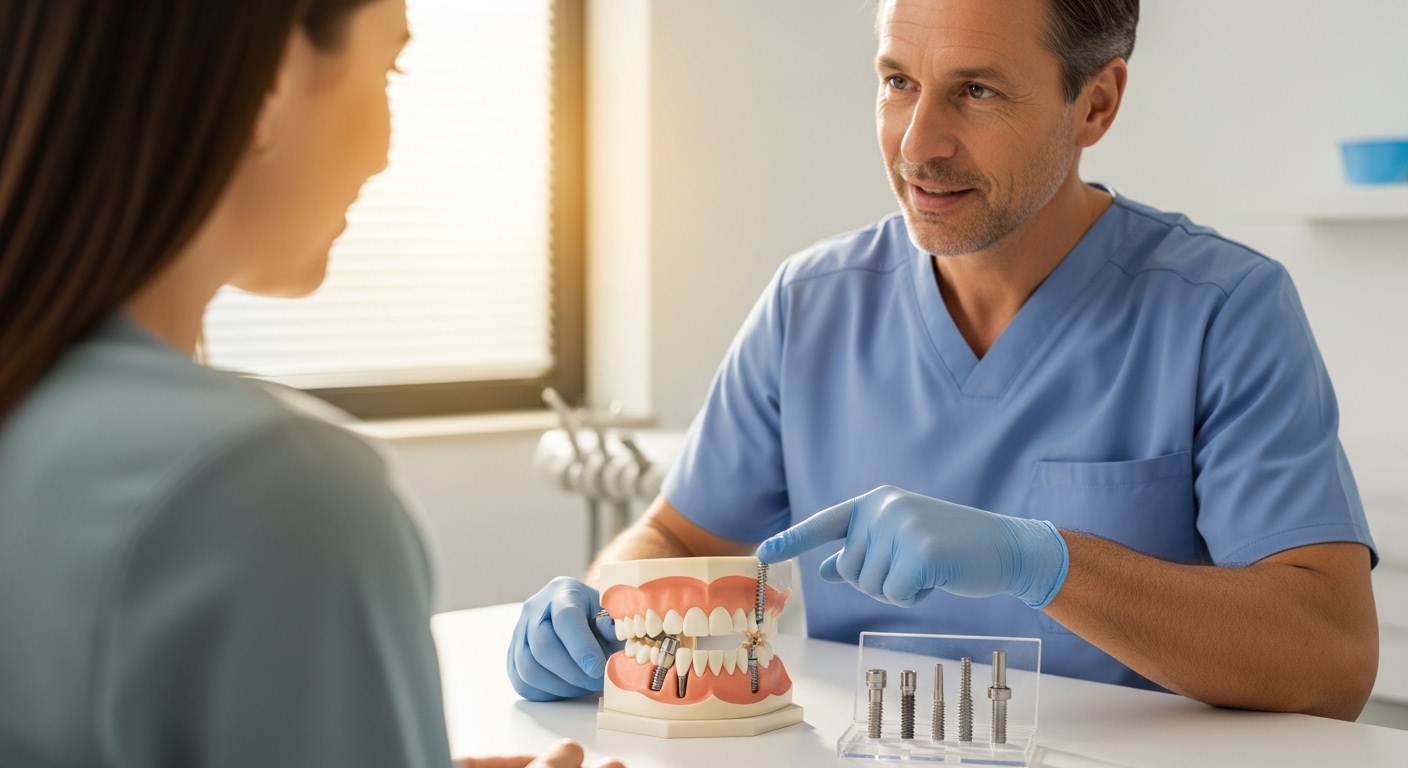
A close-up photo of dental implant screws and tools on a sterile tray, next to a set of high-tech dental imaging equipment. No text on image.

“Screw dental” usually refers to the parts of implant dentistry that use screws — either the screw-shaped implant placed in the jaw or the small screws that attach abutments and crowns. In this article you’ll get simple definitions, learn when screws are used, common problems, care tips, how clinicians plan screw-retained work, and when to choose a practice with advanced digital tools for predictable results.

What Does “Screw Dental” Mean?”

“Screw dental” describes dental implants and prosthetics that use threaded parts. The implant body that goes into bone is shaped like a screw to hold stable. Other screws secure the abutment (the connector) and the crown or bridge to that implant. Together these parts form a screw-retained restoration that can be strong and retrievable for repairs.

Types Of Screws Used In Dentistry

Implant fixture (the screw in the jaw)

The implant fixture is usually titanium or zirconia and looks like a small medical screw. It replaces the tooth root and integrates with bone. Its threaded shape provides stability while the body heals and bonds with the jaw.

Abutment and prosthetic screws

Abutment screws join the implant to a connector piece (abutment). Prosthetic screws hold crowns, bridges, or full-arch prostheses to abutments or multi-unit connectors. There are also temporary healing screws used during the recovery phase to protect the implant site.

Screw-Retained vs Cement-Retained Restorations

Screw-retained restorations are fixed with screws and can be removed for repairs or hygiene checks. That retrievability is a big advantage. Cement-retained crowns are glued and can look more seamless at the gumline, which helps aesthetics. But cement can irritate tissues if excess isn’t removed. Choice depends on esthetics, access, occlusion, and long-term maintenance.

Do Dental Implants Require Screw Dental?

Short answer: implants themselves are usually screw-shaped, but not every final restoration shows a visible screw. Many implant systems use internal screws to attach parts. Some crowns are cemented over abutments, hiding screws. Screw-retained prostheses are required when retrievability, repairability, or multi-unit attachments are needed.

Common Problems With Implant Screws And How They’re Fixed

Issues include screw loosening, screw fracture, cross-threading, and infection around the implant. Fixes range from retorquing a loose screw to replacing a broken screw or using digital planning to prevent misfit. Infections require cleaning, antibiotics, and sometimes surgical care. Good planning and precise lab work reduce most screw problems.

How To Care For Screw-Retained Restorations

Daily cleaning with a soft brush and interdental brushes helps stop plaque buildup around screw sites. Floss designed for implants or water flossers can help. See your dentist regularly for exams and X‑rays to check screws and bone. Prompt attention to looseness or pain avoids more complex repairs.

How Clinicians Plan For Screw Use

Clinicians use intraoral scans, 3D imaging, bite analysis, and lab collaboration to choose screw types and positions. Digital planning shows implant angle, depth, and prosthetic space so screws don’t interfere with function or esthetics. Precise planning lowers the risk of cross-threading and makes repairs simpler if needed.

Why Pick A Practice With Digital Lab & Advanced Imaging For Screw Dental Work

A practice with an on-site digital lab and low-dose 3D imaging improves fit and reduces errors for screw dental work. Lakeview Comprehensive Dentistry combines a diagnostic-first 90-minute exam with intraoral scanning, CAD/CAM design, wet/dry milling, and same-day restorations. That in-house workflow limits lab miscommunication and makes screw-retained solutions more predictable and quicker to fix if needed.

Quick FAQs About “Screw Dental”

  • Will the screw be visible?
  • Often the screw is hidden under the crown. Some restorations have a small access hole that is filled to match the tooth, so you usually won’t see metal.
  • Can screws be replaced if they fail?
  • Yes. Most screws can be removed and replaced without disturbing the implant, though complex cases may need more advanced repair.
  • How long do screws last?
  • With good care and proper planning, screws can last many years. Longevity depends on bite forces, hygiene, and the quality of the restoration.

If you’re considering implants or have questions about screw-retained work, start with a comprehensive diagnostic exam. A detailed plan using digital scans and 3D imaging makes screw dental solutions safer and more predictable. Contact the office to schedule an evaluation and get a clear treatment plan tailored to your needs.

The Process Of Dental Implants: What To Expect Before, During, and After

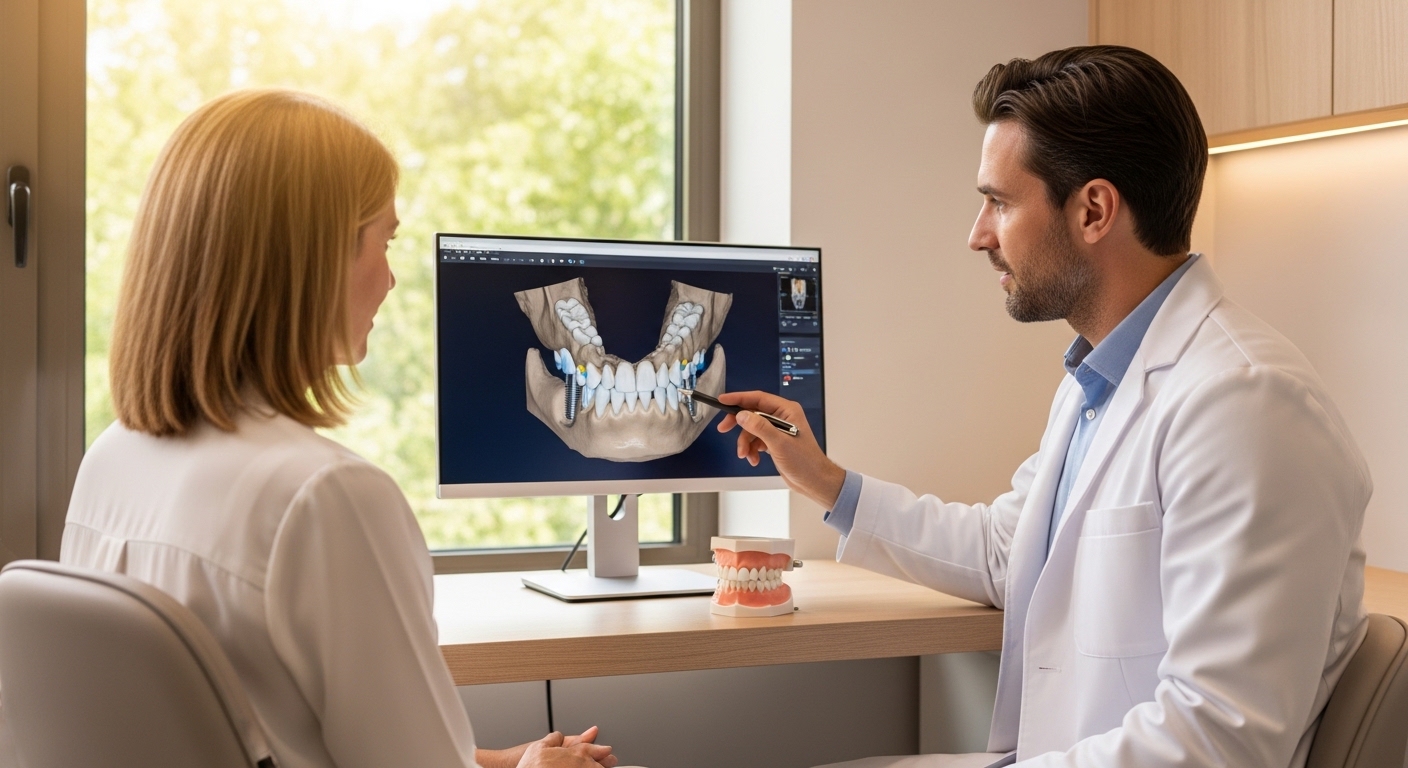
A dentist is showing a patient a 3D scan of their jawbone with dental implants in place, illustrating the planning stage of "the process of dental implants". No text on the image.

Dental implants are small titanium posts placed in the jaw to replace missing tooth roots. People choose them for a long-lasting, natural-feeling solution that restores chewing and appearance. This article explains the process of dental implants and what to expect before, during, and after care so you know the steps from planning through final restoration.

Why people choose dental implants

– Stability: implants bond to bone and don’t slip like dentures. – Chewing: restores full chewing force for better eating. – Bone preservation: implants help prevent bone loss after tooth loss. – Natural look: crowns on implants match nearby teeth better than many bridges or dentures.

The initial consultation and treatment planning

Medical and dental history

Your dentist will review health conditions, medications, and smoking. Conditions like uncontrolled diabetes or certain meds can slow healing. Smoking raises the risk of implant problems, so quitting before treatment is often recommended.

Diagnostic imaging and models

Expect 2D x-rays and often a 3D CBCT scan, plus photos and digital scans. These images let the team plan the exact implant size, position, and angle to avoid nerves and sinuses.

Creating a personalized timeline

Some patients need extra steps such as removing a damaged tooth, bone grafting, or a sinus lift. These add weeks to months to the timeline. Your dentist will outline a clear schedule tailored to your needs.

Preparing for surgery: what to do beforehand

Follow instructions on medications (some antibiotics or mouth rinses may be prescribed). If you’ll have sedation, you may need to fast and arrange a ride home. Bring any medical info, a list of medications, and comfortable clothing. Light meals and a soft-food plan for the first days help recovery. Sedation options range from nitrous oxide with local numbing to deeper sedation; your provider will explain level of consciousness and comfort.

The day of surgery: what happens during the process of dental implants

You’ll check in and have local anesthesia or sedation. The dentist places the implant into the jawbone; if needed, they may extract a tooth or add bone graft material at the same visit. A healing cap or temporary crown may be attached. Most single-implant procedures take 60–90 minutes. Expect pressure but little pain during the procedure; soreness after is normal.

Recovery and aftercare: first days to final restoration

Immediate recovery (first 48–72 hours)

Manage pain with prescribed or over-the-counter meds, use cold packs to reduce swelling, and stick to soft foods. Keep the surgical area clean but avoid vigorous rinsing. Call your dentist for heavy bleeding, severe pain, or signs of infection.

Osseointegration and follow-up visits

Bone typically fuses to the implant over 3–6 months. You’ll have periodic checkups and then receive the permanent crown or prosthesis once healing is complete.

Long-term care

Brush and floss around implants, maintain regular dental visits, and protect implants from clenching or impacts. Good home care and checkups keep implants healthy for years.

Risks, complications, and how they’re managed

Common risks include infection, slow healing, implant failure, or nerve irritation. Careful planning, proper imaging, sterile technique, and follow-up reduce these risks. If problems occur, options include antibiotics, grafting, or implant replacement.

How advanced technology and a comprehensive team help improve outcomes

Digital scans, low-dose 3D imaging, chairside photography, and in-house labs make planning and restorations more precise and faster. Practices with experienced teams and clear communication increase predictability and comfort. Lakeview Comprehensive Dentistry uses digital scanning, ultra-low-dose 3D imaging, and an on-site lab to streamline planning and produce accurate, same-day restorations when appropriate.

Questions to ask your dentist about the process of dental implants

What is the full timeline for my case? Do I need bone grafting? What sedation options do you offer? Can I see before/after photos of similar cases? What are total costs and financing choices?

Closing: next steps if you’re considering implants

If you’re thinking about implants, schedule a consultation to review your specific case and timeline. A comprehensive, tech-enabled practice can walk you through each step and answer questions so you feel confident about your treatment.

Is The Anchoring Of A Crown, Bridge, Or Denture Via Implants Right For You?

Close up image of a dentist using dental tools to secure a crown to a dental implant, which is set into a patients jaw. No text on image.

Deciding whether the anchoring of a crown bridge or denture is right for you starts with understanding what implant anchoring does and what to expect. The anchoring of a crown bridge or denture means placing dental implants into the jaw to act like tooth roots, then attaching crowns, bridges, or dentures to those implants. This post will help you weigh the benefits, the basic process, common risks, costs, and clear next steps so you can talk with your dentist and make an informed choice.

What “the anchoring of a crown bridge or denture” actually is

Implant anchoring uses titanium posts placed into the jawbone to replace missing tooth roots. An implant-supported crown replaces a single tooth. An implant-supported bridge replaces several adjacent teeth using two or more implants as supports. An implant-retained or overdenture snaps onto multiple implants and can be removable. Implants fuse to bone (osseointegration) to give strong, long-lasting support for prosthetics.

Fixed vs. removable options

Fixed restorations (crowns & bridges)

Fixed restorations are permanently attached to implants and only a dentist can remove them. Pros: feel more like natural teeth, better chewing efficiency, and no movement. Cons: higher initial cost and may take longer to complete.

Removable implant-retained dentures

Removable overdentures snap onto implant attachments and can be taken out for cleaning. Pros: easier hygiene, lower cost than full fixed arches, and easy adjustments. Cons: slight movement compared with fixed work and routine replacement of attachments over time.

Who makes a good candidate?

Good candidates have healthy gums, enough jawbone volume, and stable medical conditions (diabetes controlled, no active cancers). Smokers may face higher failure risks. Strong oral hygiene and willingness to attend follow-ups matter. Expected benefits include improved chewing, clearer speech, preserved bone, and greater confidence compared with traditional dentures.

What to expect: steps, timeline, and recovery

Consultation and imaging

Expect a full exam with 2D/3D x-rays or CBCT and photos to plan implant placement and prosthetic design precisely.

Surgery and healing

Implant placement is usually outpatient. Osseointegration often takes 3–6 months. Temporary restorations may be used during healing, with final crowns, bridges, or dentures placed once implants are stable.

Maintenance

Daily brushing and flossing or interdental cleaning, plus regular dental checkups and occasional professional cleanings, keep implants healthy. Attachments for removable dentures may need replacement over years.

Risks, costs, and alternatives

Risks include infection, implant failure, nerve or sinus issues, and the need for bone grafts in some cases. Proper diagnostics reduce these risks. Costs vary with number of implants, need for grafts, lab work, and materials. Alternatives include traditional bridges (require reshaping nearby teeth) and removable dentures (lower cost but more movement and bone loss).

How to decide if the anchoring option is right for you

Ask your dentist: Do I have enough bone? Will I need grafting? What is the timeline and cost breakdown? Who will do the surgery and the prosthetic work? How long will maintenance appointments be? Quick guide: implants are often best when you want long-term stability and bone preservation; traditional dentures may suit patients seeking lower upfront costs or with medical limits.

How Lakeview Comprehensive Dentistry approaches “the anchoring of a crown bridge or denture”

Lakeview Comprehensive Dentistry uses a diagnostic-first model with a 90-minute comprehensive exam, ultra low-dose 3D imaging, and intraoral photos to plan cases precisely. An on-site digital lab and CAD/CAM tools let them design and mill restorations for predictable fits. Sedation options and advanced training help reduce anxiety and improve outcomes.

Next steps / Call to action

Schedule a comprehensive exam to evaluate candidacy. Bring any prior x-rays, a list of medications, and questions about timeline and costs. Financing options like CareCredit and direct clinician access are available to review treatment and next steps.

Your Guide To The Dental Implant Stages Process – From Start To Finish

Image illustrating the dental implant stages with an infographic, showing consultation, implant placement, healing, abutment attachment, and final restoration. No text on image.

Understanding the dental implant stages helps you know what to expect from the first visit to the final tooth. This guide explains each step, why it matters, and how timelines can vary by case. Expect practical notes on healing, common delays, and simple next steps so you can make informed choices about care.

An Overview Of The Dental Implant Stages

The typical dental implant stages follow a predictable path. Knowing these stages reduces anxiety and helps you plan time and budget.

  • Consultation & treatment planning
  • Tooth extraction & site preparation (if needed)
  • Implant placement surgery
  • Healing & osseointegration
  • Abutment attachment & final restoration
  • Long-term care and maintenance

Stage 1 — Consultation & Treatment Planning

The first visit covers your medical and dental history, a clinical exam, and diagnostic imaging. Providers often take 2D or 3D x-rays and do a bite analysis. Clear planning identifies risks, sets realistic timelines, and limits surprises during later dental implant stages in Lake County.

Stage 2 — Tooth Extraction & Site Preparation (If Needed)

If a damaged or infected tooth must be removed, the dentist will extract it and clean the area. Some sites need bone grafting or a sinus lift to build enough bone for a stable implant. These prep steps add healing time and cost, so they affect the overall timeline for dental implant stages in Lake County.

Stage 3 — Implant Placement Surgery

During implant placement, a titanium post is positioned into the jawbone. Local anesthesia and nitrous oxide are common; stronger sedation is available for anxious patients. The visit usually takes one to two hours depending on the number of implants. After surgery you’ll get instructions for pain control, swelling, and soft foods.

Stage 4 — Healing & Osseointegration

Osseointegration is when bone fuses to the implant surface. This is critical; it gives the implant long-term stability. Healing can take weeks to several months. Normal signs include mild swelling and gradual comfort improvement; persistent severe pain, increasing redness, or pus are warning signs and require prompt attention. Many patients wear temporary restorations during osseointegration so they can eat and smile while the implant heals.

Stage 5 — Abutment Attachment & Final Restoration

After bone has fused, the dentist attaches an abutment to the implant and takes final impressions or digital scans. The lab then makes your crown, bridge, or prosthesis. Modern digital scanning and CAD-CAM milling speed the process and improve fit, reducing adjustments at the final appointment. These precision steps are the last surgical and restorative phases of the dental implant stages in Lake County.

How Long Does Each Stage Take? Factors That Change The Timeline

Timelines depend on several factors:

  • Bone quality and volume
  • Need for grafting or sinus lifts
  • Smoking or uncontrolled chronic disease (diabetes)
  • Single-tooth vs. multiple or full-arch cases
  • Availability of same-day digital restorations

Sample ranges:

  • Routine single implant: 3–6 months from consult to crown
  • Complex full-arch with grafting: 6–12+ months

Aftercare, Maintenance & Signs To Watch For

Good home care supports long-term success. Brush twice daily, floss or use interdental brushes, and keep regular dental visits. Plan follow-up checks at 1 week, 3–6 months after restoration, then yearly. Watch for:

  • Persistent pain, swelling, or bleeding
  • Loose implant or prosthesis
  • Bad taste or drainage from the site

If you notice these signs, contact your dentist promptly—early intervention protects the implant and surrounding tissue.

Why Advanced Diagnostics And Same-Day Technology Matter

Detailed imaging and in-house digital workflows reduce surprises during the dental implant stages. 3D x-rays show bone shape and nerve position, while digital scans and a same-day lab let clinicians deliver precise restorations faster. These tools shorten treatment time, improve fit, and make outcomes more predictable.

Lakeview Comprehensive Dentistry — How We Guide Patients Through The Dental Implant Stages

At Lakeview Comprehensive Dentistry, we use a 90-minute comprehensive exam and ultra-low-dose 3D imaging to map each case before any procedure. Our Whole-Tooth Hygiene™ protocol and fully digital on-site lab (scanning, CAD/CAM, milling, 3D printing) support predictable, same-day restorations when appropriate. Sedation options, clear financing, and direct clinician access help patients complete the dental implant stages in Lake County with confidence. To learn what your timeline looks like, schedule a consult — we’ll review options and next steps tailored to your needs.

Replace Tooth in Tavares, FL With Dental Implants – Cost, Procedure & Benefits

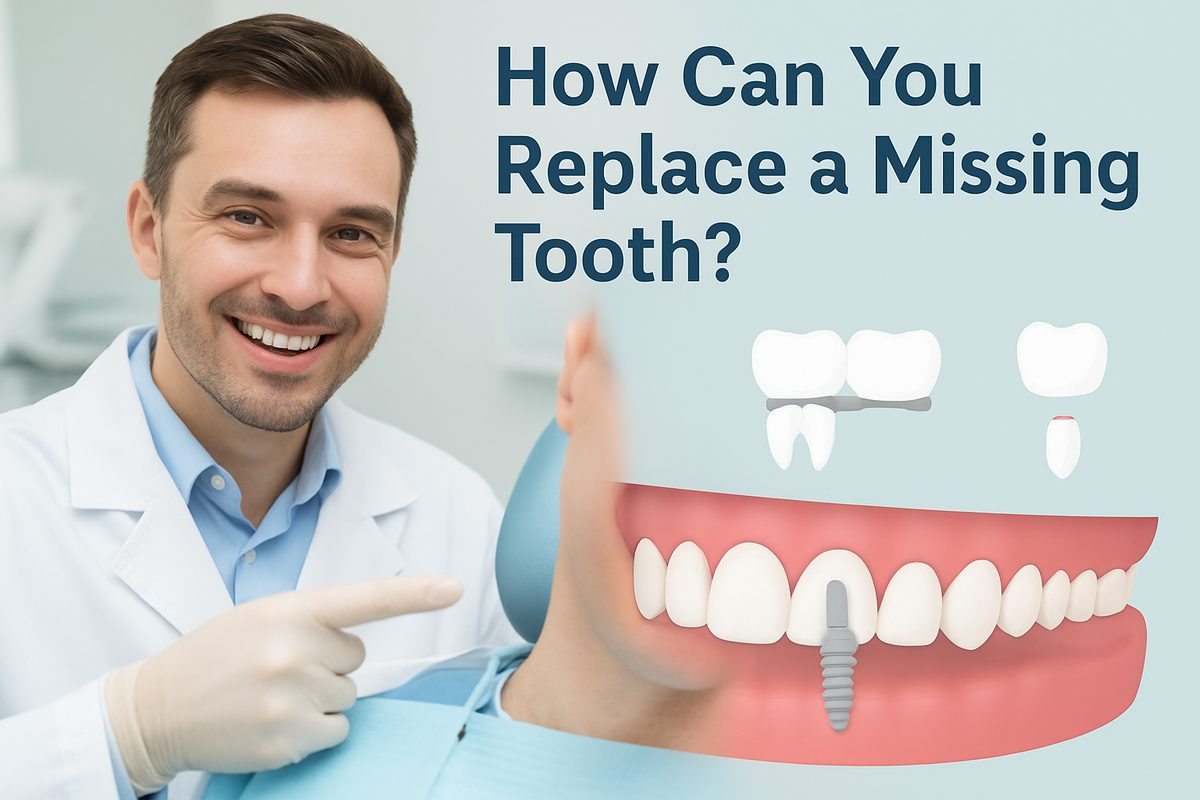
Many people choose to replace tooth with a dental implant because it feels, looks, and functions like a real tooth. This post explains why patients pick implants, what the basic procedure looks like, typical costs, and the main benefits and risks. Read on for clear next steps if you want to replace tooth with a durable, long-term option.

What a dental implant is and when you should replace tooth with one

A dental implant is a three-part system: the titanium implant (root), an abutment (connector), and a crown (the visible tooth). Together they replace the full structure of a missing tooth. When you choose to replace tooth with an implant, you restore both function and bone support rather than just filling a gap.

Implants are often recommended when:

  • One tooth is missing and adjacent teeth are healthy (so you want to avoid cutting them down for a bridge).
  • You need a long-term solution that preserves jawbone and bite strength.
  • Standard removable dentures are uncomfortable or unstable.

Bridges can work for short spans but require altering nearby teeth. Dentures are less invasive up front but can speed bone loss and feel less natural. For many patients who want a permanent, natural-feeling result, it makes sense to replace tooth with an implant.

Dental implant procedure: step-by-step

Consultation and planning

The first step is a thorough exam. Expect X-rays or a CBCT scan to check bone, nearby roots, and sinus anatomy. Your provider will review medical history, take digital photos and scans, and create a treatment plan for the single tooth you want to replace tooth.

Good planning often includes a digital mock-up of the final crown and a timeline. This helps predict need for bone grafting or extractions before placement.

Implant placement

On surgery day the implant is placed in the jaw under local anesthesia (and optional nitrous if needed). The procedure usually takes under an hour for a single implant. After placement you’ll have a short soft-tissue healing period—most patients feel comfortable within a few days, with typical soft-tissue healing in 1–2 weeks.

Osseointegration and abutment/crown placement

Osseointegration is when bone fuses to the titanium implant. This commonly takes 3–6 months but can be shorter with modern protocols. Once the implant is stable, an abutment is attached and an impression or digital scan is taken for the final crown. With an on-site lab and CAD/CAM workflows, many practices can deliver a precisely fitted crown quickly, sometimes the same day.

Cost to replace tooth with a dental implant and what changes the price

Costs vary widely depending on clinical needs and materials. Key factors include:

  • Single implant vs. multiple implants or full-arch work
  • Need for bone grafting or sinus lift
  • Tooth extraction or treatment of infection before placement
  • Type of sedation used (local vs. nitrous or IV)
  • Implant brand, abutment type, and crown material
  • Provider experience and laboratory fees

Provider skill and a quality on-site lab often raise cost but lower risk of complications and improve long-term outcomes. Insurance may cover part of the crown or some related services, but many plans don’t fully cover implants. Financing options like CareCredit and other patient-friendly plans can spread the cost over time.

Benefits, risks, and next steps if you want to replace tooth

Primary benefits of choosing to replace tooth with an implant include:

  • Preserves jawbone and prevents the bone shrinkage that follows tooth loss
  • Feels and functions like a natural tooth for chewing and speech
  • Long-term solution with high success rates when well cared for
  • No need to alter adjacent healthy teeth as with a bridge

Common risks are infection, implant failure, nerve irritation, or sinus complications with upper back teeth. You can lower those risks by choosing an experienced provider, following post-op care, maintaining good oral hygiene, and avoiding tobacco during healing.

If you want to explore whether to replace tooth with an implant, a good next step is a comprehensive consult that includes 3D imaging and a clear treatment plan. Lakeview Comprehensive Dentistry offers a relationship-centered, diagnostic-first approach with a 90-minute new-patient exam, ultra low-dose 3D imaging, digital intraoral scanning, and an on-site lab for precise, same-day restorations when appropriate. Dr. Timothy Pruett and the Lakeview team combine advanced training with patient-focused care, sedation options to reduce anxiety, and transparent financing choices like CareCredit and other plans.

To schedule a consultation and see if you’re a candidate to replace tooth with an implant, contact the practice for a full exam and personalized plan.

Find The Best Dental Implants Near You: A 2025 Guide

If you’re searching for reliable options for tooth replacement, this guide on dental and implants near me will help. You’ll learn how dental implants work, what to look for when comparing providers, key questions to ask at a consultation, and clear next steps to book care. Use this to narrow choices and feel confident when you search “dental and implants near me.”

How Dental Implants Work: A Simple Breakdown

Dental implants replace missing teeth with three main parts: the titanium implant (root), the abutment (connector), and the crown (the visible tooth). The implant is placed into the jawbone and, over several months, fuses with bone to create a stable foundation. After healing, the abutment and a custom crown are attached for the final restoration.

Typical timeline: consultation and imaging, implant placement, healing (osseointegration) for 3–6 months, then abutment and crown placement. Some practices offer immediate temporary teeth in the same visit in specific cases.

Good candidates are adults in generally good health with adequate bone or who are willing to have bone grafting. Factors that affect success include smoking, uncontrolled diabetes, poor oral hygiene, and certain medications. Your provider will review these during the consult.

How to Search and Compare “dental and implants near me”

When you search “dental and implants near me,” focus on measurable credentials, technology, and realistic cost breakdowns. Don’t choose only by price—look for quality and clear communication.

Credentials and experience to check

  • Board certifications or specialty training in implant dentistry or oral surgery
  • Years placing implants and number of implant cases shown in before/after photos
  • Patient reviews that mention results, comfort, and follow-up care

Technology and treatment options

Modern implant care often uses 3D imaging (CBCT), digital planning, and guided surgery to increase accuracy. Ask whether the office uses in-house labs for faster, customized restorations or sends work to outside labs. Both can be good, but know which they use and why.

Cost, financing, and realistic estimates

A clear quote should break costs into implant hardware, any grafting or bone work, the abutment, and the crown or prosthesis. Watch for vague total prices or last-minute add-ons. Common financing options include monthly plans, third-party medical/dental loans, and in-house payment programs. Ask for a written estimate and what is included.

Questions to Ask at Your Implant Consultation

Bring a list of questions and expect honest answers. Key items to cover:

  • What are my realistic results and alternatives (bridges, dentures)?
  • What are the risks and how do you handle complications?
  • What is the full timeline from surgery to final tooth?
  • Who does each part of the treatment (surgeon, restorative dentist, lab)?
  • What follow-up visits and maintenance will be required?

A clear treatment plan should include steps, timing, costs, and photos/examples of similar cases. Evaluate communication and bedside manner—feelings of comfort and trust matter for a multi-step process.

Choosing the Right Office and Next Steps

A great local implant provider combines experienced clinicians, coordinated teamwork, transparent pricing, and positive patient reviews. Look for teams that explain options clearly and show real patient examples. Use online reviews to spot consistent strengths or recurring issues.

After searching “dental and implants near me,” narrow your list to 2–3 offices and schedule consultations. Bring a list of questions, ask for a written treatment breakdown, and request references or before/after photos for cases like yours.

If you’re ready, book a consult, request a full treatment estimate, or get a second opinion. Taking that next step will give you the information you need to choose the right plan and regain comfort and function with dental implants.

Transform Your Smile with a Front Tooth Implant: A Step-by-Step Dental Guide

Dental implant, artificial tooth roots into jaw, root canal of dental treatment, gum disease, teeth model for dentist studying about dentistry.

A front tooth implant is a dental procedure designed to replace a missing front tooth with a permanent, natural-looking solution. This implant consists of a titanium screw that anchors into the jawbone, serving as the root of the artificial tooth. Unlike dentures or bridges, which can slip or require adjacent tooth alteration, front dental implants offer a stable and long-lasting solution. The front tooth is critical for both aesthetics and function, impacting your smile and bite alignment. An implant for front tooth issues can be necessary when a tooth is lost due to trauma, decay, or congenital reasons. Understanding these fundamentals helps patients make informed decisions about their dental health.

The significance of distinguishing a front tooth implant from other dental implants lies in the visibility and functionality of front teeth. Since front teeth are prominently visible when talking or smiling, achieving a natural appearance is paramount. Unlike molars that prioritize chewing ability, the focus for front implants is equal parts cosmetic and structural integrity. A front tooth implant must seamlessly blend with adjacent teeth in color, shape, and size, a challenge that professionals are well-equipped to meet with advanced dental technology. By comprehensively understanding the unique nature of front tooth implants, patients can feel more confident in their choices and the transformative impact of the procedure.


Unveiling the Comprehensive Implant Process

Embarking on the journey to a front tooth implant begins with a detailed consultation with a qualified dental professional. During this initial meeting, diagnostic imaging, and discussions about your medical history aid in creating a personalized treatment plan. After the planning phase, the surgical placement of the implant is the next step, where precision is crucial for optimal integration with the jawbone. This surgical procedure, often performed under local anesthesia, ensures minimal discomfort for the patient. After surgery, a healing period allows the implant to integrate with bone, a process known as osseointegration, which is vital for long-term success. This thorough planning and execution ensure the durability and function of the dental implant.

Following osseointegration, which can take several months, the final restoration phase begins with attaching an abutment to the implant. This piece acts as the connector to the dental crown, which is custom-made to perfectly match the surrounding natural teeth in both color and form. This customization process often includes a series of fittings and adjustments, ensuring that the outcome feels and looks spectacularly natural. By understanding each step of the comprehensive implant procedure, patients can better prepare themselves for the timeline and expectations. The entire process emphasizes precision and expertise to deliver a restoration that feels indistinguishable from the original tooth.


Advantages and Considerations for Choosing a Front Tooth Implant

One of the most compelling benefits of opting for a front tooth implant is its likeness to a natural tooth, providing unmatched aesthetics and function. Implants preserve bone density by preventing further bone loss which often occurs when a tooth is missing, maintaining the facial structure, and avoiding a sunken appearance. In terms of care, implants are easier to maintain as they do not rely on neighboring teeth for support, unlike bridges. However, potential candidates should also weigh certain considerations, such as the time commitment required for the entire process and the necessity of sufficient bone density in the jaw for successful implantation. The benefits, though substantial, should be carefully evaluated alongside personal health and lifestyle factors.

Key factors influencing the success rate of a front tooth implant include maintaining excellent oral hygiene and attending regular dental check-ups. These measures help to prevent infection and ensure the longevity of the implant. Patients should also be aware of lifestyle habits such as smoking, which can negatively impact healing. Additionally, understanding the financial investment is crucial since implants may have a higher initial cost than other dental solutions, but they are also more durable and require less upkeep in the long run. By carefully considering these advantages and challenges, patients can make well-informed decisions about pursuing a dental implant for their front tooth, ultimately leading to a healthier, more confident smile.


Ensuring Longevity Through Effective Aftercare

The longevity of a front tooth implant can also be reinforced through lifestyle considerations, such as a balanced diet rich in vitamins and minerals to support oral health. Avoiding hard or sticky foods can prevent undue stress on the implant. Furthermore, timely intervention at the first sign of any complications, such as inflammation or discomfort, can prevent potential implant failures. By adhering to a comprehensive aftercare routine, the long-term success and aesthetic appeal of the implant are significantly enhanced. This vigilance ensures your smile remains vibrant and healthy, symbolizing a successful dental restoration journey.

We take pride in crafting personalized treatment plans that cater to each patient’s unique needs and preferences. Are you ready to restore your smile at our skilled and trusted dental practice? Don’t wait to get the smile of your dreams with us. Get in contact with our doctors, Dr. Timothy J. Pruett and team and our exceptional team at our office by Tavares, FL to schedule your consultation today!