
Can Dental Implants Treat Periodontal (Gum) Disease?

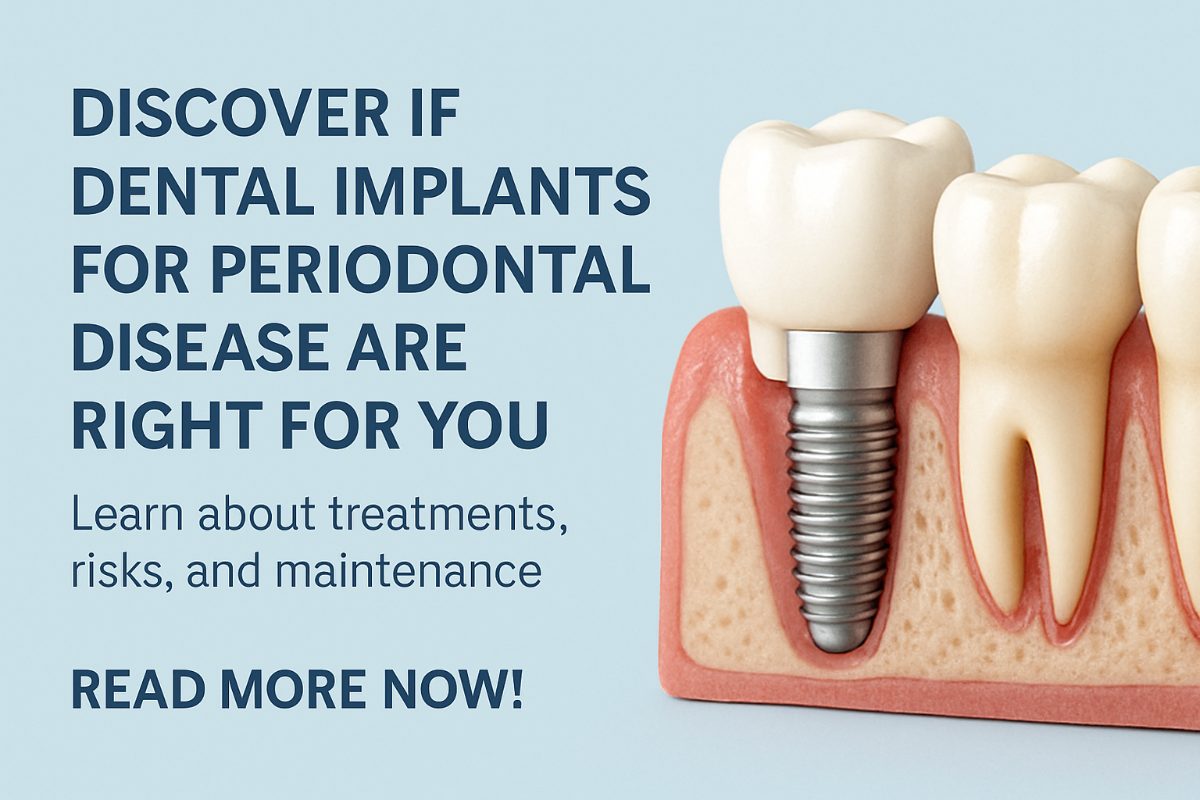
A close-up image showing a dentist pointing to a dental implant placed in a jawbone affected by periodontal disease, with healthy gums surrounding the implant. No text on image.

Periodontal (gum) disease is an infection of the gums and the bone that holds teeth in place. Left untreated, it can cause bleeding, loose teeth, bad breath, and bone loss. Many people ask whether dental implants for periodontal disease can be a lasting solution after the gum infection is controlled. This post explains when implants may be possible, what preparation is needed, the risks and alternatives, and the next steps to find out if implants are right for you.

How periodontal disease harms teeth and the jawbone

Gum disease starts as gingivitis (red, swollen gums) and can progress to periodontitis, where the infection destroys the ligament and bone around teeth. Bone loss weakens the foundation that supports teeth and future implants. Receding gums expose roots and make cleaning harder. Without enough bone and healthy soft tissue, replacing teeth becomes more complex, and implant success can be jeopardized.

When dental implants for periodontal disease become an option

Controlled infection first

Active gum disease must be treated and stabilized before considering implants. Treatment may include deep cleanings (scaling and root planing), antibiotics, and improved home care. The goal is to eliminate infection so the implant site can heal and stay healthy.

Enough bone and healthy soft tissue

Implants need solid bone to anchor and healthy gums to protect them. A dental team uses imaging and clinical exams to measure bone volume and gum quality. If the bone is too thin or missing, grafting or other procedures can rebuild it over several months, allowing the implant to be placed predictably.

Common preparatory treatments before implants

Bone grafts: Add bone material to low or missing areas; healing usually takes 3–6 months.

Ridge augmentation: Rebuilds the jaw contour where teeth were lost; similar healing time.

Sinus lift: Raises the sinus floor to add bone in the upper back jaw; often takes 4–6 months to heal.

Extractions with socket preservation: Preserves bone after a tooth is removed to limit shrinkage.

Soft-tissue grafts: Add gum tissue to improve coverage and esthetics; heals in weeks to months.

These steps increase the chance that a dental implant will integrate and last long term.

Risks, success factors, and long-term maintenance

Prior periodontal disease raises the risk of peri-implantitis (infection around an implant) if oral hygiene or maintenance lapses. Success depends on careful daily cleaning, regular professional checkups, quitting smoking, and controlling systemic issues like diabetes. Lifelong maintenance and close follow-up reduce complications and protect both natural teeth and implants.

Alternatives to implants for patients with gum disease

Fixed bridges: Replace missing teeth without surgery, but require altering adjacent teeth and do not stop bone loss. Removable partials or dentures: Lower cost and faster, but less stable, and may need frequent adjustments. Periodontal-sparing restorations: Use conservative designs to keep gum tissue healthier. Each option has trade-offs in cost, longevity, bone preservation, and maintenance; discuss these with your clinician while gum disease is treated.

How Lakeview Comprehensive Dentistry approaches dental implants after periodontal disease

Lakeview uses a diagnostic-first model to decide candidacy and plan care. A 90-minute comprehensive exam includes TMJ, occlusion, periodontal screening, and low-dose 2D/3D imaging. Their Whole-Tooth Hygiene™ targets hard-to-clean surfaces before implant work. On-site digital lab tools and precise imaging help design predictable restorations and plan any required grafting or soft-tissue work.

How to find out if dental implants for periodontal disease are right for you

Next steps: schedule a comprehensive periodontal evaluation, get low-dose 3D imaging, review bone and soft-tissue needs, and discuss a maintenance plan. If you have a history of gum disease, ask about staged care that treats infection first, rebuilds bone or gum as needed, and then places implants. Book a consultation to get a personalized plan and a clear timeline for safe, long-lasting results.

* Considering A New Tooth Implant? Here’s What You Need To Know

An animated graphic depicting the step-by-step process of a new tooth implant, from initial consultation to final crown placement. No text on image.

If you’re considering replacing a missing tooth, a dental implant is a durable, natural-feeling option. This short guide explains what implants are, who makes a good candidate, the steps involved, risks to watch for, and how to care for your restored tooth. It’s written for adults weighing implant treatment and for anyone wanting a clear, practical overview.

What Is a New Tooth Implant?

A dental implant is a small titanium post placed in the jawbone to serve as a tooth root. An implant system has three main parts: the implant (the metal post), the abutment (a connector), and the crown (the visible tooth). People choose implants to replace single teeth, support bridges, or anchor dentures because they look, feel, and function like natural teeth.

Who Is a Good Candidate for a New Tooth Implant?

Oral health and bone requirements

Good candidates have healthy gums and enough jawbone to hold the implant. If the bone has shrunk after tooth loss, a dentist may recommend a bone graft to build volume before placing the implant. Healthy gum tissue and control of gum disease are also needed to reduce the risk of complications.

Medical and lifestyle factors

Certain health issues can affect implant success. Uncontrolled diabetes, heavy smoking, some medications, and conditions that limit healing raise the chance of failure. Your dentist will review your medical history and may coordinate with your physician to manage risks before treatment.

What to Expect During the New Tooth Implant Process

Consultation and diagnostics

The process starts with an exam, X-rays, or low-dose 3D imaging, and digital scans. These diagnostics let the team plan implant size and position precisely. A treatment plan will outline timing, any needed grafts, sedation options, and costs.

Surgery and healing phases

During surgery, the implant is placed in the bone under local anesthesia or light sedation. Over several months, the implant fuses to the bone in a process called osseointegration. You may have a temporary tooth while the site heals. Healing time varies but often takes 3–6 months.

Final restoration

After healing, the abutment is attached, and a custom crown is fitted. Modern digital labs and intraoral scanning help make crowns that match your bite and appearance for a comfortable, natural result.

Common Risks, Complications, and How They’re Managed

Risks include infection, implant failure, and, rarely, nerve irritation. Dentists manage these with careful planning, sterile technique, and follow-up. Early signs of trouble—persistent pain, swelling, or loose parts—should prompt you to call your dentist.

Cost, Insurance, and Financing Options for a New Tooth Implant

Cost varies depending on whether you need one tooth or multiple teeth, whether bone grafting is needed, and the type of crown. Many dental plans cover part of the crown or surgery, but full coverage is rare. Common financing options include CareCredit, third-party loans, and in-office payment plans to spread costs.

Caring for Your New Tooth Implant

Treat an implant like a natural tooth: brush twice daily, floss or use interdental brushes, and keep regular dental cleanings. Attend professional maintenance visits so the team can check bone levels and gum health. Contact your dentist if you notice pain, mobility, or persistent swelling.

Why Choose Lakeview Comprehensive Dentistry for a New Tooth Implant

Lakeview Comprehensive Dentistry offers a diagnostic-first model anchored by a 90-minute comprehensive new-patient exam and Whole-Tooth Hygiene™ to reach areas that routine brushing misses. Advanced tools include ultra-low-dose 3D imaging, digital intraoral scanning, and an in-house digital lab for precise, same-day restorations. Sedation options, strict sterilization and water purification, and 40 years of serving Lake County support safe, comfortable care. Financial transparency and multiple financing choices help you plan treatment with confidence.

Next Steps: Schedule a Consultation for Your New Tooth Implant

At your first visit, expect a detailed exam, 3D diagnostics, and a clear treatment plan with cost estimates. If you’re ready to learn whether a new tooth implant is right for you, contact Lakeview Comprehensive Dentistry to set up a consultation and get personalized answers.

What’s The Average Cost Of A Dental Implant? (2024 Pricing Guide)

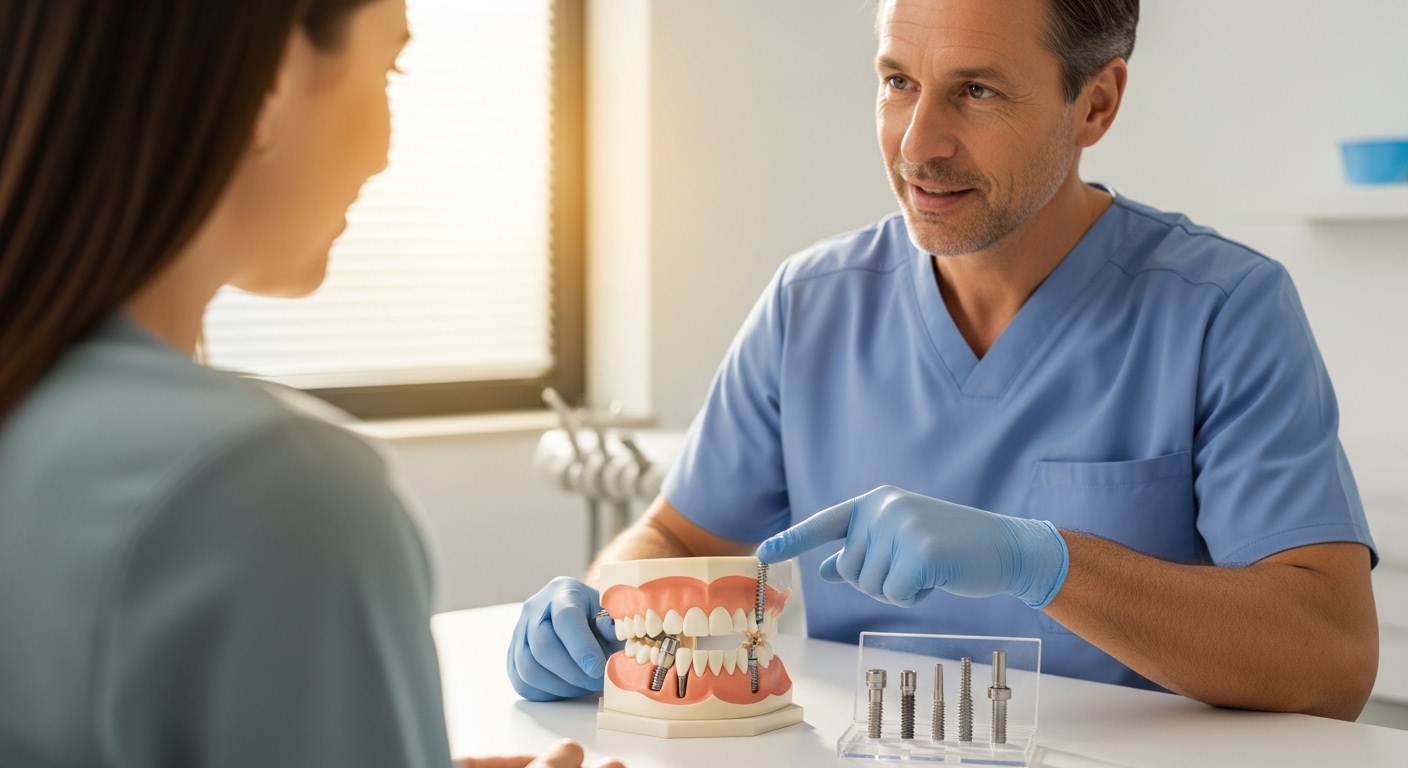
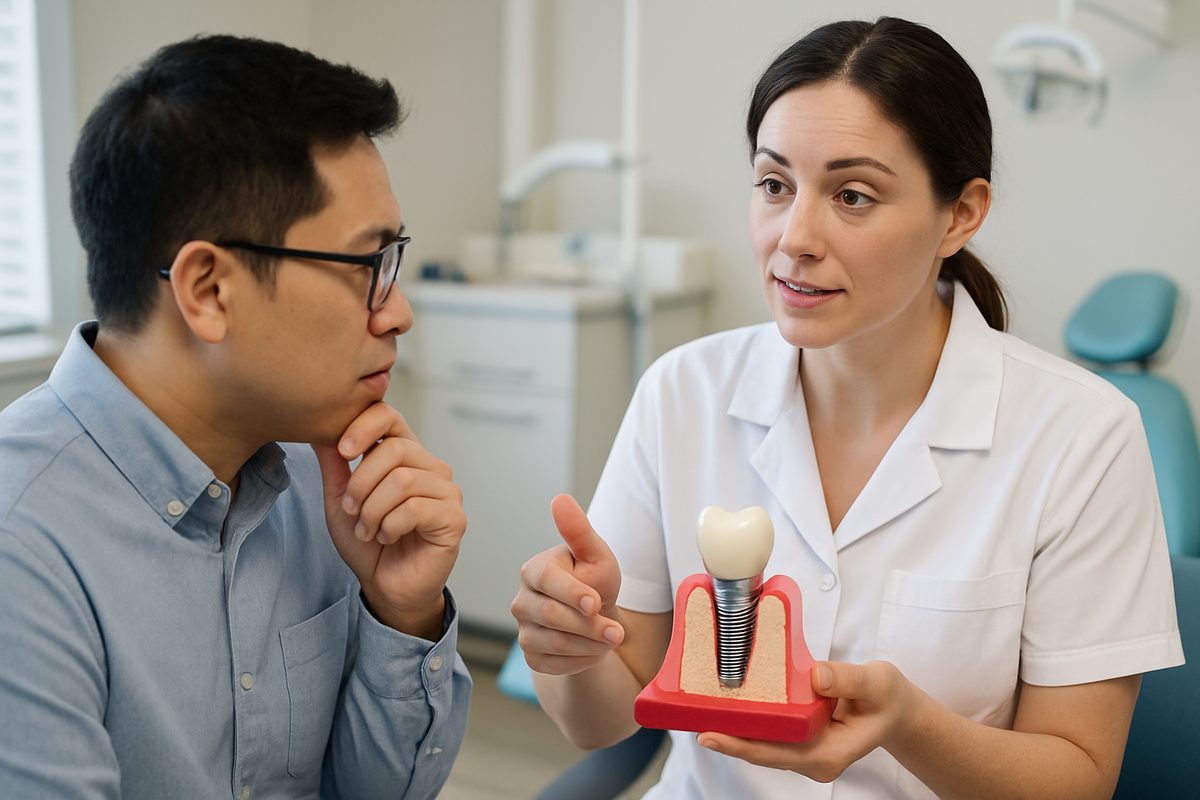
A person talking to a dentist about the cost of a dental implant. The dentist is holding a model of a dental implant to explain the costs involved. No text on the image.

If you’re asking “what’s the average cost of a dental implant“, a single implant (implant post + abutment + crown) typically runs about $3,000–$6,000 nationwide.

Costs vary by case—simple single-tooth work sits near the low end, while multi-tooth implants or full-arch reconstructions can be much higher. This post breaks down what affects price, how insurance and financing usually work, smart questions to ask at a consult, and how to get an exact quote for your situation.

What’s The Average Cost Of A Dental Implant? Typical Price Ranges

A single implant replacement (post, abutment, and crown) commonly falls between $3,000 and $6,000. If you need several implants or an implant-supported bridge, expect $7,000–$30,000, depending on the number of teeth replaced. Full-arch options like All-on-4 or full-mouth reconstruction often start around $20,000 per arch and can be much more. These are national typical ranges — your final cost depends on your mouth, materials, and provider.

What Makes Up the Price: Components of Implant Cost

Implant hardware

The implant post is usually titanium or zirconia. Brand, design, and the implant system chosen affect cost. Premium brands or specialty implants cost more but may offer better long-term data.

Abutment and crown (prosthetic)

The abutment connects the post to the crown. The crown material (porcelain, zirconia) and lab fees matter. Same-day milled crowns in a digital lab can cost more up-front but reduce visits.

Surgery, imaging, and planning

Surgical fees cover placement, local anesthesia or nitrous, and any guided-surgery planning. Digital 3D imaging (CBCT) and computer-guided planning add accuracy — and cost.

Additional treatments

Extractions, bone grafts, sinus lifts, or periodontal care raise the total. If bone loss is present, grafting can add several hundred to several thousand dollars.

Key Factors That Drive Price Variation

Provider experience and training, case complexity, and the use of advanced tech (digital scanning, guided implants, in‑house lab work) all change cost. Better diagnostics and planning can reduce complications, often saving money in the long term, even if the initial cost is higher.

Insurance, Financing, and Ways To Lower Out-of-Pocket Costs

Many dental plans limit or exclude implants. Some plans offer partial coverage for the crown or related services. Lakeview handles non-contracted insurance plans with transparency and focuses on patient advocacy over plan rules. Common financing options include CareCredit, Proceed Finance, Cherry, and in-office payment plans. Dental schools, seasonal specials, or bundled case pricing may help, but check quality and provider experience.

Is A Higher Price Always Better?

Not always. But higher fees can reflect better diagnostics, advanced materials, and experienced clinicians — factors that often mean fewer complications and longer-lasting results. Evaluate value: long-term success and lower revision risk often justify higher up-front costs.

Questions To Ask At Your Implant Consultation

Ask for a full out-of-pocket estimate and what it includes (imaging, lab, crown). Ask about the doctor’s implant experience and full-arch cases, sedation options, warranties or guarantees, timeline from placement to crown, and financing choices.

Why Consider Lakeview Comprehensive Dentistry For Implants

Lakeview Comprehensive Dentistry offers a 90-minute diagnostic exam with ultra-low-dose 3D imaging, a fully digital on-site lab for precise restorations, and advanced postdoctoral-trained clinicians. They provide sedation options, strict sterilization, and clear financing. Their approach focuses on thorough diagnostics to deliver predictable, long-lasting results.

Next Steps: How To Get An Accurate Quote

Schedule a diagnostic 90-minute exam for a tailored plan and exact cost. Bring medical history and insurance info. Direct clinician access and detailed imaging let your team give a precise estimate and a clear timeline for your implant care. Contact Lakeview Comprehensive Dentistry today to get started.

What Is The Implant Definition? Dental Implants Explained

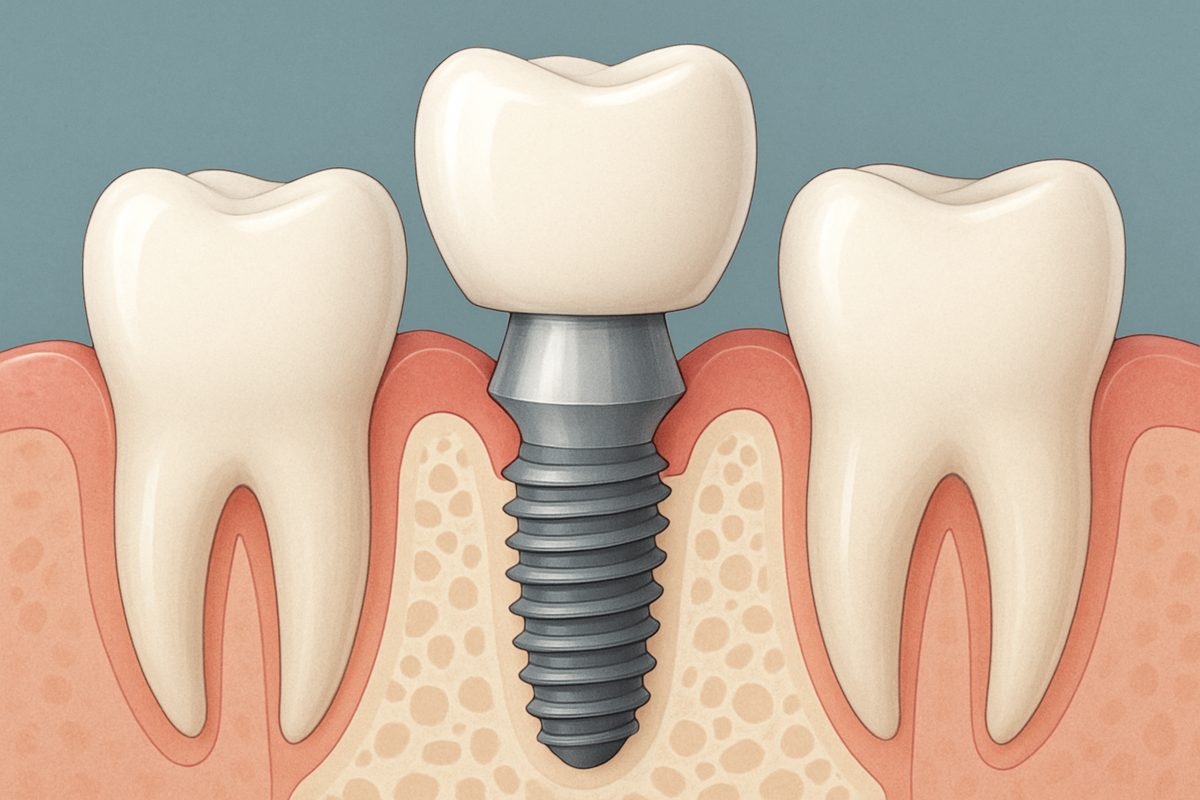
Close up animated image depicting the implant definition. The image highlights and labels the three main parts of a dental implant: the implant post, the abutment, and the crown. No text on the image.

Many patients hear the phrase implant definition and want a simple answer: a dental implant is a small, strong post placed in the jaw to replace a missing tooth root and hold a crown, bridge, or denture. This post—usually made of titanium—serves as a stable base for a natural-looking replacement tooth. This post explains what implants are, how they work, who benefits, and why careful diagnostics and an experienced team matter for predictable results.

What Is an Implant? A Simple implant definition

An implant definition in plain terms: a titanium or titanium-alloy post surgically placed into the jawbone that acts like a tooth root. Once healed, an abutment is attached to the post, and a prosthetic tooth (crown), bridge, or denture is secured on top. The result looks, feels, and functions much like a natural tooth.

How Dental Implants Work

Implant components

A dental implant has three main parts: the implant post (root), the abutment (connector), and the prosthesis (crown, bridge, or denture). The post is anchored in bone, the abutment links the post to the prosthetic, and the prosthetic restores shape and chewing function.

Osseointegration: the healing bond

Osseointegration is the process by which bone grows tightly around the implant post. This bone-to-metal bond creates long-term stability that traditional dentures and some bridges cannot match. Proper healing time and good oral health are key to successful osseointegration.

Who Is a Good Candidate? Implant definition for patients

Good candidates are generally adults in good overall health with enough jawbone and healthy gums. Factors considered include: – Bone volume and density (may need bone graft or sinus lift if low) – Gum health (active gum disease needs treatment first) – Systemic health (uncontrolled diabetes or heavy smoking raises risks) – Commitment to daily oral hygiene and regular dental visits

Typical Implant Treatment Steps

– Evaluation and imaging: clinical exam, 3D X-rays, and digital scans to plan placement.

– Implant placement: a short surgical procedure, often done with local anesthesia and optional nitrous sedation.

– Healing phase: 3–6 months for osseointegration, sometimes shorter with immediate protocols.

– Abutment and final restoration: connection of the abutment and fitting the crown, bridge, or denture. Timelines vary by case; your team will explain options and the expected schedule.

Risks, Longevity, and Aftercare

Common risks include infection, implant failure, and complications from insufficient bone or smoking. With good care—daily brushing, flossing, and regular dental checkups—implants can last decades. Early detection of issues through routine exams helps prevent problems and extends implant life.

Why Advanced Diagnostics Improve Implant Outcomes

3D imaging, intraoral scanning, and precise digital planning improve accuracy and predictability. These tools let clinicians evaluate bone, plan implant position, and design restorations that fit well. In-house digital labs speed turnaround and improve communication between doctors and technicians, reducing surprises and improving the final fit.

Why Choose Lakeview Comprehensive Dentistry for Implants

Lakeview Comprehensive Dentistry offers a relationship-centered, diagnostic-first model with a 90-minute comprehensive exam and Whole-Tooth Hygiene™. Their ultra-low-dose 3D imaging, fully digital on-site lab, sedation options, and 40 years of serving Lake County support safe, predictable implant care with clear communication.

Quick FAQs About Implant Definition

Does getting an implant hurt?

Most patients report minimal discomfort. Local anesthesia and optional nitrous help keep you comfortable during the procedure.

How long until I get my final tooth?

Healing typically takes 3–6 months. Some cases allow faster timelines or temporary restorations while the implant integrates.

Will my insurance cover implants?

Coverage varies. Many plans offer partial benefits, and financing options are commonly available to help cover costs. In short, the implant definition is simple: a durable root-like post that supports a replacement tooth. If you’re missing teeth and want a lasting solution, schedule a consultation to see if implants are right for you.

Dental Implant Side Effects: What You Need to Know Before Treatment

A split image showing a dental implant being placed on one side, contrasted with an unhappy patient experiencing post-operative discomfort on the other. No text on image.

Dental implants side effects are important to know before you choose treatment. Dental implants replace missing teeth with a metal post and a crown. Many patients pick implants for stability and natural function, but like any surgery, they have risks. Knowing common dental implants side effects helps you make safe decisions and speed recovery.

Common dental implants side effects Immediately After Surgery

Pain and swelling

Mild to moderate pain and swelling are normal. Discomfort usually peaks 48–72 hours and then improves. Use cold packs, take prescribed or over-the-counter pain medicine as directed, and eat soft foods.

Bleeding and bruising

Light bleeding or spotting and some bruising around the face are common for a day or two. Bite on gauze and avoid spitting. Seek care if bleeding soaks through a gauze pad after several hours or is heavy.

Numbness or altered sensation

Temporary numbness or tingling can come from local nerve irritation and often resolves in days to weeks. If numbness is severe, worsening, or lasting beyond a few weeks, contact your dentist immediately.

Short-term vs. long-term dental implants side effects

Early healing issues

In the first weeks, infections, slow wound healing, or a loose implant can occur. Early problems are often treated with improved oral care, antibiotics, and close monitoring to prevent implant loss.

Late complications

Months to years later, peri-implant mucositis (gum inflammation) or peri-implantitis (infection with bone loss) can threaten the implant. Prosthetic problems such as loosening, wear, or fracture can also occur and require repair.

How common are these dental implants side effects, and who is at higher risk?

Patient risk factors

Smoking, uncontrolled diabetes, poor oral hygiene, untreated gum disease, and certain medications raise the chance of complications. Managing health and hygiene lowers risk.

Surgical and restorative risk factors

Thin or low bone volume, need for grafts, heavy bite forces, and the clinician’s experience affect outcomes. Precise planning and technique reduce side effects.

How to lower your risk and manage side effects

Pre-treatment steps

Have a full exam, medical history review, and 3D imaging. Treat gum disease first and plan restoratively to ensure enough bone and a stable bite before surgery.

During and after care

Choose an experienced team, follow post-op instructions, keep the area clean, stop smoking, take antibiotics if prescribed, and attend regular maintenance visits.

Warning signs: when to call your dentist

– Fever or chills – Increasing pain after initial improvement – Heavy, uncontrolled bleeding – Spreading swelling or difficulty breathing – Pus or foul drainage – Sudden implant mobility or lasting numbness

Typical recovery timeline and treatment options for complications

What to expect

First 24–72 hours: pain, swelling, soft diet. Weeks: soft tissues heal, and soreness fades. Months: bone integrates with the implant; stability improves over 3–6 months for most cases.

Possible treatments for problems

Early care may include cleaning, antibiotics, and occlusal adjustments. Surgical options include cleaning around the implant, bone grafting, or, if necessary, implant removal and replacement.

Why a comprehensive, diagnostic-first practice matters for preventing side effects

Thorough exams, low-dose 3D imaging, digital planning, and experienced clinicians reduce surprises and complications. Lakeview Comprehensive Dentistry uses extended diagnostic exams, ultra-low-dose 3D imaging, and an in-house digital lab to improve planning and predictable outcomes.

Quick FAQs to address common patient concerns

Are dental implants safe long-term?

Yes—implants have high success when risk factors are managed, and maintenance is followed.

Can implants affect my general health?

Systemic risks are rare; infection control and medical screening protect overall health.

How long before I can chew normally?

You may chew lightly within days; full chewing depends on healing and prosthetic type, often several weeks to months.

Call to action

If you’re considering implants, schedule a consultation to review risks and a personalized plan with a diagnostic-first team. Ask about sedation, imaging, and financing to make treatment safe and comfortable.

Dental Implants: Your Best Replacement Options For Missing Teeth

A dentist is consulting with a patient, pointing to a digital scan of various replacement options for missing teeth, including implants, bridges, and dentures. The image emphasizes a modern, comfortable dental office environment. No text on image.

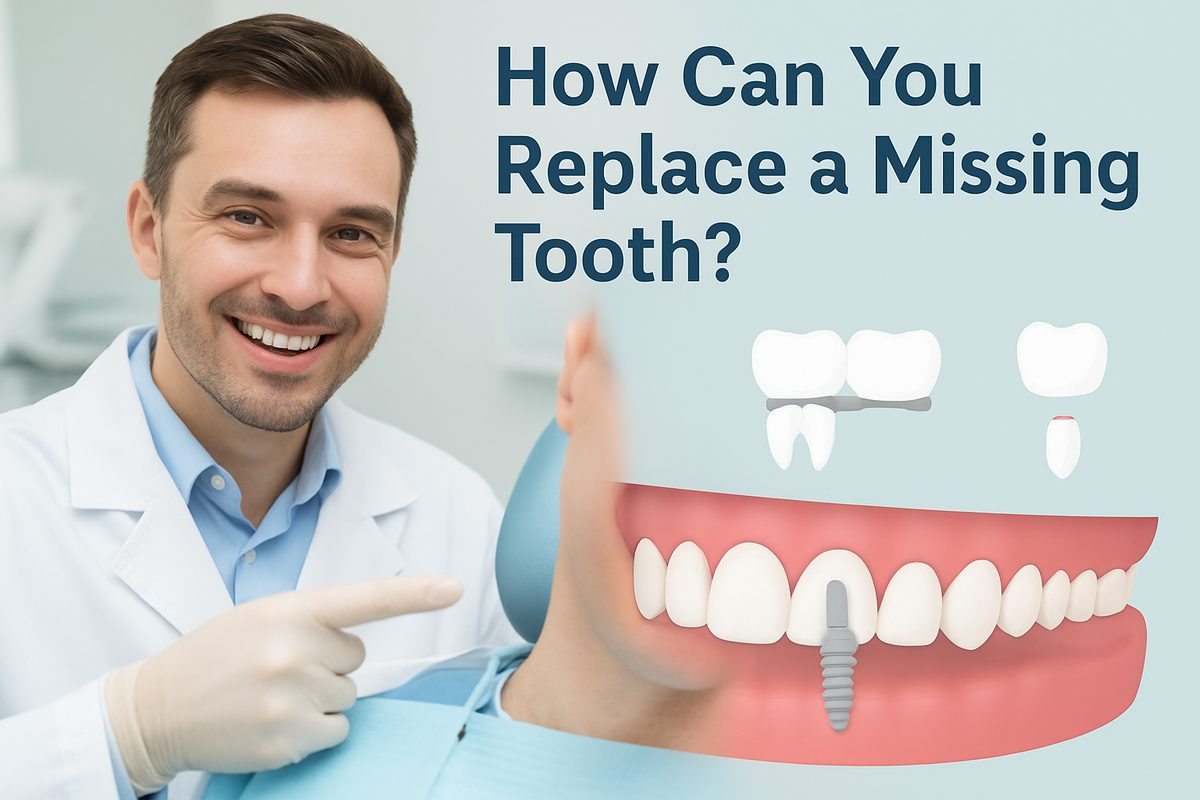
Missing teeth affect how you eat, speak, and smile. They can also help maintain the health of your jaw. This post compares common replacement options for missing teeth in Lake County and explains why dental implants are often the best choice for both function and appearance, as well as long-term oral health.

Why replacing missing teeth matters

Leaving gaps can cause the jawbone to shrink where a tooth is missing. Nearby teeth can drift, resulting in bite problems and uneven tooth wear. Gaps make chewing more difficult and can affect speech. Food traps increase the risk of decay and gum disease. Replacing teeth protects your mouth’s function and helps avoid more complex treatment later.

Quick overview of replacement options for missing teeth

Dental implants

A dental implant involves a titanium post placed in the jawbone, with a crown or prosthesis attached on top. Implants act like natural tooth roots, preserving bone and giving strong, stable chewing. They do not rely on neighboring teeth for support.

Fixed dental bridges

A fixed bridge uses crowns on adjacent teeth to hold a false tooth. Bridges are faster and less invasive up front. However, they require altering healthy teeth and do not prevent bone loss at the site of the missing tooth.

Removable partial dentures

Partial dentures are the most affordable choice and are reversible. They replace several missing teeth with a removable appliance. They are less stable than implants and can be less comfortable for chewing and speaking.

Implant-supported dentures / full-arch solutions

Full-arch implant options, such as All-on-4, utilize a few implants to support an entire arch of teeth. They restore strong chewing function and a secure fit for people missing many or all teeth. These options offer near-natural function and better long-term results than traditional dentures.

Who is a good candidate for implants?

Good candidates are generally healthy, have enough jawbone, and can follow healing instructions. Smokers may need to quit for better success. Chronic conditions like diabetes should be controlled. 3D imaging helps assess bone and plan precise implant placement. Bone grafting can make implants possible for many patients.

Comparing costs, longevity, and maintenance

Implants typically last the longest when properly cared for, often for decades. Bridges and dentures may need replacement or adjustment over time. Costs vary depending on the number of teeth, the need for grafts, and the materials used. Implants have higher upfront costs but often offer better long-term value with fewer replacements and better function.

Short-term vs long-term value

Lower-cost options may seem attractive now, but can lead to more repairs or replacements. Implants often provide the best long-term outcome for chewing, comfort, and bone health.

What to expect during implant treatment

Expect a diagnostic visit with imaging, possible bone grafting, implant placement, healing time, and final restoration. Healing can take months, depending on the type of bone and overall health. Sedation and local anesthesia make the procedure comfortable for many patients.

Modern tech that speeds and improves results

Digital impressions, CAD/CAM restorations, and guided surgery improve fit and speed treatment. These tools help deliver accurate, predictable results.

How to choose the right replacement option for you

Consider your oral health, budget, timeline, cosmetic goals, and lifestyle habits, such as smoking. Discuss a diagnostic-first consultation with your dentist to compare options and receive a personalized plan for replacing missing teeth in Lake County.

Why consider Lakeview Comprehensive Dentistry for implants and other options

Lakeview offers a 90-minute new-patient exam with 2D/3D imaging, intraoral photos, and a full-mouth evaluation. Dr. Timothy Pruett and the team use advanced training and an on-site digital lab for precise, same-day restorations. Ultra-low-dose 3D imaging, sedation options, and clear financing make care safer and easier. Schedule a consult to review your replacement options for missing teeth in Lake County and get a treatment plan tailored to your needs.

Artificial Teeth Options: Restoring Your Smile & Confidence

Photo depicting a diverse group of people smiling, each showcasing different types of artificial teeth options: dentures, bridges, and implants. The background subtly features a dental office setting to reinforce the context. No text on image.

If you are weighing artificial teeth options in Lake County, this post will help. We’ll compare common choices, explain how to pick the best one for your mouth, and outline what to expect during treatment. Read on to learn the basics so you can ask the right questions at your dental visit.

Common artificial teeth options

Removable dentures

Partial and full dentures replace many missing teeth with a removable prosthesis. Partials clip to remaining teeth; full dentures rest on the gums.

Partial and full dentures suit patients who need an economical, non-surgical solution. Expect a break-in period for fit and speech, and plan to remove them nightly for cleaning.

Fixed dental bridges

Bridges are non-removable replacements for one or a few missing teeth. They anchor to adjacent teeth or implants and look and function like natural teeth. Bridges work well when neighboring teeth are healthy enough to support the restoration and when you prefer a permanent solution without full implant surgery.

Single crowns and implant crowns

Crowns cover damaged teeth to restore shape and strength. An implant crown replaces a single missing tooth by capping an implant placed in the jaw. Implant crowns feel and act most like your natural tooth and preserve nearby teeth because they don’t rely on them for support.

Implant-supported dentures & full-arch solutions

Implant overdentures clip or snap to two or more implants for extra stability. Full-arch options like All-on-4 use several implants to support a permanent prosthetic for a whole upper or lower row. These are long-term solutions for patients with many missing teeth or loose traditional dentures.

Key pros and cons of each artificial teeth option

Durability and function

Implant crowns and full-arch implant solutions last longest and restore chewing power closest to natural teeth. Bridges last many years but may need replacement. Removable dentures typically wear faster and can reduce bite force.

Appearance and comfort

Implant-based options and well-made bridges look most natural. Removable dentures can look good but may feel bulky at first. All options have an adjustment period; implants usually have the shortest long-term comfort issues once healed.

Cost, timeline, and maintenance

Removable dentures are lowest upfront cost but may require more repairs over time. Bridges are mid-range. Implant solutions are higher initial investments with longer treatment timeline,s but often offer better long-term value. Maintenance ranges from daily cleaning to special tools for implants and periodic professional checkups.

How to choose the best artificial teeth options for you

Consider your oral health and bone level, how many and which teeth are missing, medical history, aesthetic goals, budget, and timeline. Get imaging and a diagnostic exam before deciding. For many patients in Lake County, seeing a dentist who uses 3D imaging and intraoral scans makes planning easier and more predictable.

What to expect during treatment and recovery

Typical steps: comprehensive exam and imaging, digital planning, lab work or same-day restorations, surgical placement for implants when needed, and follow-up visits. Recovery from implant surgery usually involves a few days of swelling and a soft-food diet, with full healing over several months. Dentures and bridges typically require fewer surgical steps and a shorter recovery.

Care and long-term maintenance for artificial teeth options

Daily cleaning, interdental brushes or water flossers around implants, and regular dental visits help extend restoration life. Watch for looseness, persistent pain, or changes in fit — these are signs to book a repair visit.

Why choose a comprehensive, tech-forward dental team for artificial teeth options

A diagnostic-first team that uses advanced imaging, intraoral scanning, and an on-site lab delivers precise, comfortable care and more predictable results. Practices offering detailed exams, same-day restorations, and clear treatment plans help patients understand costs and timelines and feel confident in their choice.

Next steps — getting a personalized plan

Book a comprehensive exam and digital consultation to review artificial teeth options in Lake County, see your diagnostic images, discuss costs and financing, and get a clear treatment timeline. A personalized plan ensures you choose the option that fits your health, goals, and budget.

Are Side Effects From Dental Implants Common? | Lakeview Dentists

Image of a concerned patient in a dental chair talking to a dentist about potential side effects from dental implants, with an x-ray of jaw with implants in the background. No text on image.

Dental implants are titanium posts placed in the jaw to replace missing tooth roots and support tooth crowns or dental bridges. Many patients ask about side effects from dental implants because the idea of surgery can sound risky. Most side effects are short-term and manageable with proper care, though a few rare complications deserve quick attention. This article explains common reactions, what’s serious, and when to call for help.

Common short-term side effects from dental implants

Pain and swelling

Mild to moderate pain and swelling are normal after dental implant placement. Discomfort usually peaks within the first 48–72 hours and improves daily. Over-the-counter pain relievers often work; your dentist may prescribe stronger medication if needed. Cold packs, soft foods, and rest help control swelling and pain during the first few days.

Bleeding and bruising

Light bleeding or oozing is common for the first 24 hours. Slight bruising of the gums or cheek can show up over the next few days. It typically stops with gentle pressure and proper aftercare. Heavy or prolonged bleeding that soaks through gauze after several hours is not normal and needs prompt attention.

Temporary numbness or tingling

Mild numbness or tingling near the surgical site can occur from local anesthesia or minor nerve irritation. This usually resolves within days to weeks. Persistent or increasing numbness, a “pins and needles” feeling that doesn’t improve, or loss of taste should be evaluated right away.

Less common but serious side effects from dental implants

Infection at the dental implant site

Infections can develop if bacteria enter the surgical area. Watch for worsening pain, swelling that spreads, fever, or pus draining from the site. Early treatment with antibiotics and cleaning can save the dental implant; delays raise the risk of loss.

Dental implant failure or lack of osseointegration

If the dental implant doesn’t properly fuse with bone (osseointegration), it may loosen or fail. Early signs include persistent mobility, increasing pain, or difficulty chewing. Causes include poor bone quality, smoking, or uncontrolled medical conditions. Early detection lets your dentist plan corrective care.

Nerve damage and sinus complications

Upper-jaw dental implants placed too close to the sinus can lead to sinusitis or discomfort; lower-jaw dental implants can, rarely, injure nerves. Symptoms of nerve injury include prolonged numbness, burning, or sharp shooting pain. Careful imaging and planning reduce these risks.

How long do side effects from dental implants usually last?

Expect peak pain and swelling in the first 72 hours, soft-tissue healing over 1–2 weeks, and several months for full bone integration. If pain, swelling, or other symptoms worsen after the first week or do not steadily improve, contact your dentist for evaluation.

Who is at higher risk for side effects?

Higher-risk factors include smoking, uncontrolled diabetes, poor oral hygiene, low bone volume, heavy teeth grinding (bruxism), and certain medications like bisphosphonates or long-term steroids. Discuss your full medical history with your dentist before treatment.

How to reduce your risk before and after dental implant surgery

Before surgery: complete medical review, stop smoking if possible, treat gum disease, and get 3D imaging and careful digital planning. After surgery: follow post-op instructions, keep the area clean, take medications as directed, eat soft foods, and attend follow-up visits.

How Lakeview Comprehensive Dentistry minimizes side effects

At Lakeview Comprehensive Dentistry we use a diagnostic-first approach with a 90-minute new-patient exam, ultra-low-dose 3D imaging, and digital treatment planning. Our on-site lab, strict sterilization, and sedation options help improve comfort and precision, lowering the chance of complications and improving predictable outcomes.

When to call your dentist

Call right away for severe uncontrolled pain, heavy bleeding, spreading facial swelling, fever, persistent numbness, or any pus or foul drainage. Early communication lets your team act quickly to protect health and your implant.

Schedule a Dental Implant Consultation Today

Most side effects from dental implants are temporary and manageable. If you’re considering implants or worried about symptoms after surgery, contact us to schedule a consultation or a comprehensive exam to review personalized risks and a clear treatment plan.

How Tooth Implant Works? The Full Process Explained

A step-by-step diagram of how a tooth implant works, showing the placement of the implant post, abutment, and final crown, with labels indicating each stage of the process. No text on the image.

This article explains in plain terms how tooth implant works, what to expect at each step, and who benefits most. You’ll get a simple walk-through from the first visit to the final tooth crown, plus notes on healing, risks, upkeep, and how newer digital tools speed treatment and improve fit.

What Is a Dental Implant?

A dental implant is a man-made root placed into the jaw to hold a replacement tooth. Unlike a denture or dental bridge that sits on top of gums or nearby teeth, a dental implant replaces the missing root and gives a stable base for a crown or prosthetic.

The Main Parts of a dental Implant

The dental implant post

The post is the part placed into bone. It’s usually titanium or zirconia. These materials bond well to bone and are strong and durable. The post acts like the tooth root to support chewing forces.

The abutment

The abutment connects the dental implant post to the visible tooth. It screws onto the post and forms the platform the crown attaches to. Abutments can be metal or ceramic.

The tooth crown or prosthetic

The tooth crown is the visible tooth replacement. Options include a single tooth crown for one tooth, a dental bridge attached to dental implants for several teeth, or a full-arch prosthetic for a whole mouth. Tooth crowns can be made for natural color and shape.

Step-by-Step: How Tooth Implant Works

1. Consultation and planning

You’ll have an exam, X-rays or 3D imaging, and a discussion of goals. The dentist checks bone, gums, and bite and makes a treatment plan. Digital scans and photos often guide exact dental implant position.

2. Dental implant placement

Placing the post is minor surgery done with local anesthesia and optional nitrous. The dentist places the post into bone and covers it. Expect mild swelling and soreness for a few days.

3. Osseointegration (healing)

Bone grows onto the post in a process called osseointegration. This creates a strong bond. Healing usually takes 3–6 months depending on health and bone quality.

4. Abutment and impressions (digital workflow)

After healing, the abutment is attached. The dentist takes digital scans or impressions to design the tooth crown. Digital workflows (intraoral scans) improve fit and speed lab communication.

5. Final tooth crown placement and bite adjustments

The tooth crown is fitted, bite is checked, and small adjustments are made. Some practices offer same-day crowns using on-site milling and CAD/CAM, so you may leave with a finished tooth.

Who Is a Good Candidate?

Good candidates have healthy gums, enough jawbone, and controlled medical conditions like diabetes. Smokers or people with severe bone loss may need extra steps such as bone grafting or periodontal treatment before dental implants.

Risks, Pain, and Aftercare

Common side effects include swelling, bruising, and mild pain. Risk of infection or dental implant failure is low with proper care. Follow instructions: soft diet, salt rinses, prescribed meds, and avoid smoking. Keep follow-up visits to monitor healing.

Longevity and Maintenance

Dental implants can last decades with good care. Plaque control, regular cleanings, and protecting teeth from grinding help protect the dental implant. The tooth crown may need replacement after many years but the dental implant post often remains stable long-term.

Benefits of Advanced Digital Care for Dental Implants

Precision planning and same-day prosthetics

Digital scans, CAD/CAM design, and an on-site lab allow precise planning and faster turnaround for tooth crowns or dental bridges. That means better fit and fewer visits.

Safety and comfort

Low-dose 3D imaging improves diagnosis while reducing radiation. Good infection control, clean water, and sedation options make the process safer and more comfortable.

Considering Dental Implants? Come to Our Facility!

If you’re thinking about dental implants, contact us to schedule a comprehensive exam that includes 3D imaging and intraoral photos to map your needs. Lakeview Comprehensive Dentistry offers extended new-patient exams, a fully digital on-site lab for same-day restorations, and clear financing options (CareCredit, Proceed, Cherry). Bring a list of questions and your medical history. Call or book online to get a personalized plan and next steps.

What Is the Dental Implants Step By Step Procedure?

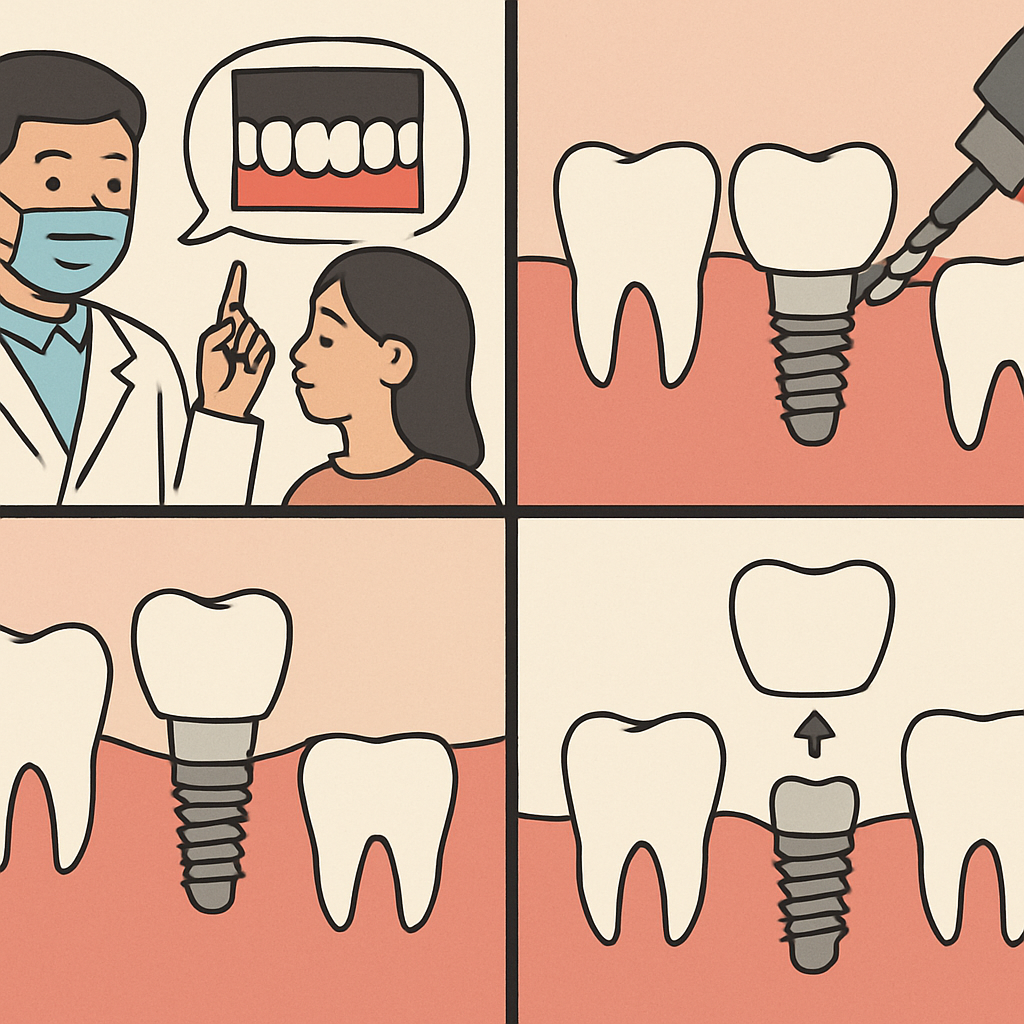
An infographic showcasing the dental implants step by step procedure. Include the steps: (1) consultation, (2) implant placement, (3) healing, (4) abutment placement, and (5) crown attachment. No text.

If you want a clear walkthrough of what to expect, this guide explains the dental implants step by step procedure. You’ll learn what implants are, the typical timeline from planning to final crown, what happens during surgery, common extra procedures that can change timing, and how to care for your new implant as it heals.

What are dental implants?

Dental implants are small titanium posts placed into the jawbone to replace missing tooth roots. Once the bone fuses to the implant, it becomes a stable base for a crown, bridge, or denture. Patients choose implants for a natural look, better chewing, and to stop nearby teeth from shifting.

The dental implants step by step procedure

Most implant treatments follow a multi-stage path: exam and planning, surgical placement of the implant, a healing period while bone fuses (osseointegration), and a restorative phase to attach the abutment and final prosthetic. Total time varies from a few weeks (same-day options) to several months depending on bone health and extra procedures.

Pre-operative evaluation and planning

Comprehensive exam and medical history

A dentist reviews your mouth, gums, bite, and medical history to check conditions that affect healing (like diabetes or smoking). This step finds infections or gum disease that must be treated first and helps set realistic expectations for timing and outcomes.

Imaging and digital planning

2D x-rays, 3D scans, and intraoral digital impressions map bone volume and nerve locations. Virtual planning picks the best implant size and position and can create a surgical guide to place the implant precisely, reducing surprises during surgery.

Surgical placement — step by step

Any necessary extractions

If a damaged tooth needs removal, the dentist will extract it gently. Sometimes the implant is placed during the same visit; other times the site is allowed to heal before implant placement.

Placing the implant

A small incision in the gum exposes bone, the site is prepared with a series of drills, and the titanium implant is screwed into place. The gum is closed with sutures. Procedures are done with local anesthesia and optional nitrous for comfort.

Immediate vs. delayed placement

Some patients get a temporary crown the same day (immediate loading) when stability and bone allow. Others follow a healing-first approach where the implant sits undisturbed for weeks to months before restoring to ensure strong osseointegration.

Healing and osseointegration

Bone typically fuses to the implant over 3–6 months, sometimes faster or slower depending on health and grafting. Normal healing includes mild swelling and soreness that fades in days. Follow-up visits check integration and look for signs of infection or complications.

Restorative phase: abutment and final restoration

Once integrated, an abutment connects the implant to a crown, bridge, or denture. Impressions or digital scans capture the exact fit. With an on-site digital lab and CAD/CAM tech, some practices can deliver precise same-day final restorations; otherwise, a lab will craft the final piece for later placement.

Additional procedures that can alter the steps

Bone grafting, sinus lifts, or ridge augmentation add time and steps when bone volume is low. These procedures may require months of healing before implant placement. Your dentist will explain alternatives and timelines during planning.

Risks, recovery expectations, and aftercare

Common side effects are swelling, minor bleeding, and soreness for a few days. Call your dentist for severe pain, persistent bleeding, fever, or signs of infection. Pain control includes NSAIDs and short-term prescriptions if needed. Keep the site clean, avoid smoking, and attend follow-ups to ensure success.

Why choose Lakeview Comprehensive Dentistry for implants?

Lakeview Comprehensive Dentistry offers a 90-minute comprehensive exam with TMJ, periodontal, and ultra low-dose 2D/3D imaging plus intraoral photography to guide decisions. Their fully digital on-site lab (scanning, CAD/CAM, milling, and 3D printing) supports precise same-day final restorations. With sedation options, strict sterilization, and decades serving Lake County, Lakeview combines advanced tech and a relationship-first approach to deliver predictable implant outcomes.

Getting evaluated for dental implants

To get started, book a consult for the 90-minute comprehensive exam. Expect imaging, a review of your medical history, and a clear treatment plan with timing and financing options like CareCredit and Proceed Finance. If implants are right for you, the team will explain each step and schedule care that fits your needs.