
How to Get Ready for Your Root Canal Appointment
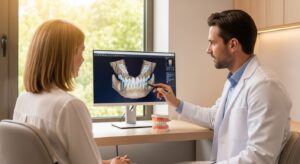
Preparation begins with confirming what is causing your symptoms. Your dentist may examine the tooth, perform appropriate clinical tests, and review X-rays to assess the roots and surrounding bone. Tell the dental team about medications, allergies, medical conditions, and recent health changes. Follow any pre-treatment directions they provide, and continue your usual oral hygiene unless instructed otherwise. If you have concerns about the procedure, discuss them beforehand. A dentist near you can explain what the examination shows and why root canal treatment may or may not be suitable for the tooth.What Happens Step by Step During a Root Canal
The pulp is the soft tissue inside a tooth that contains nerves, blood vessels, and connective tissue. Deep decay, cracks, trauma, or other damage can irritate or infect this tissue. Symptoms can include persistent pain, lingering temperature sensitivity, or discomfort when chewing. Having these symptoms does not automatically mean you need a root canal. Treatment depends on clinical findings, testing, X-rays, and the condition of the remaining tooth structure.Treating the Inside of the Tooth
Once treatment is indicated, the procedure generally involves:- Numbing the area: Local anesthetic helps control discomfort.
- Isolating the tooth: The treatment area is kept clean and separate from the rest of the mouth.
- Accessing the canals: A small opening allows the dentist to reach the pulp chamber.
- Cleaning the canals: Inflamed or infected pulp is removed, and the canal spaces are cleaned and shaped.
- Filling and sealing: The prepared canals are filled and sealed.
How You May Feel After the Treatment
Your mouth may remain numb for a while after the procedure. Avoid chewing until normal sensation returns to reduce the chance of accidentally biting your cheek, lip, or tongue. Some tenderness can develop as the anesthetic wears off. The tissues surrounding the root may remain irritated for a short period, particularly when inflammation or infection was present beforehand. Follow the aftercare and medication instructions given by your dental team. Symptoms should generally improve rather than become progressively worse.Easy Aftercare Tips for Faster Healing
Aftercare focuses on keeping the area clean and limiting unnecessary pressure while the tooth recovers and any restorative work is completed. During recovery:- Brush and clean between your teeth as directed.
- Avoid heavy biting on the affected tooth when advised.
- Be cautious with hard or sticky foods.
- Follow the instructions provided after treatment.
- Attend recommended follow-up and restoration appointments.
When to Call Your Dentist After a Root Canal
Mild early tenderness can occur, but worsening or unexpected symptoms deserve professional attention. Contact the dental office if you develop:- Severe or increasing pain or pressure.
- Visible or increasing swelling.
- Fever or feeling unwell along with dental swelling.
- A bite that suddenly feels uneven.
- A temporary filling or restoration that becomes loose or comes out.
- Symptoms that improve and then return.
Frequently Asked Questions
Wait until the numbness has worn off before chewing. You may also need to avoid hard foods or heavy pressure on the affected tooth until the recommended restoration is completed.
The tissues around the root remain living and can be temporarily irritated after treatment. Mild tenderness may occur during early recovery, but severe, persistent, or worsening pain should be assessed.
Not necessarily. The final restoration depends on the tooth involved, how much sound structure remains, and the forces it handles during chewing.
No. Several dental problems can cause similar symptoms. An examination, appropriate testing, and X-rays are needed to identify the source before treatment is recommended.
Keeping the Tooth Functional After Treatment
Root canal therapy removes inflamed or infected tissue from inside the tooth and seals the cleaned canal system. Follow-up restorative care and regular oral hygiene then help protect the remaining structure and support normal chewing.
If persistent sensitivity, pain when biting, or tooth damage is affecting daily activities, Lakeview Comprehensive Dentistry can assess the cause and discuss the next step based on the examination.